The Eugene Water & Electric Board (EWEB) moved forward this week on a $502 million budget for fiscal year 2027, a $14.5 million increase over the 2026 plan. The proposal would raise utility rates for most residential customers by roughly 7%, translating to an $18 monthly increase for an average single‑family home starting Feb. 1, 2027.
Why the increase is needed
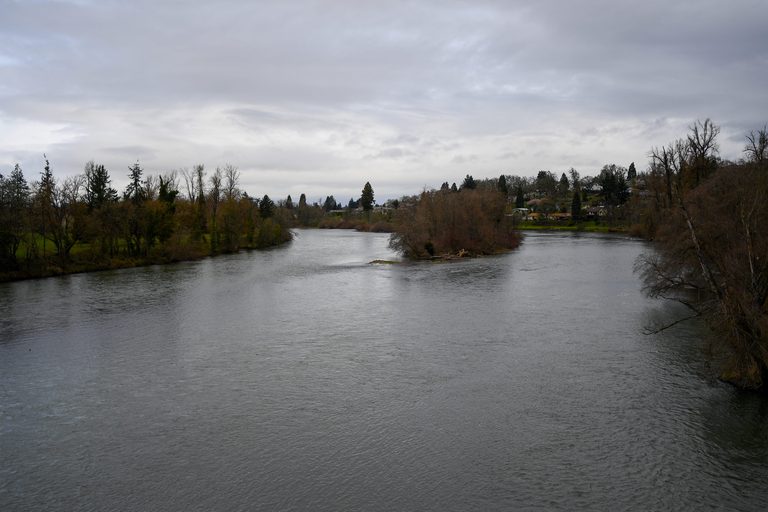
The bulk of the additional cost is tied to design and engineering work for a new water‑treatment plant on the Willamette River. EWEB’s existing Hayden Bridge Filtration Plant, which draws water from the McKenzie River, is 76 years old and is slated to be taken offline by 2040. The new Willamette River facility, projected to cost $431 million, would become Eugene’s second source of drinking water, providing redundancy in the event of earthquakes, wildfires, severe weather, or hazardous spills.
EWEB officials describe the project as a “once in a generation investment.” The utility forecasts a 32% increase in its 2027 water budget—about $27.6 million—and says it will need to collect roughly 15% more revenue from customers to cover the cost.
Impact on households
Under the proposed rates, an average all‑electric home using 1,600 kWh of electricity and 9,000 gallons of water per month would see its bill rise from about $257 to $275. Smaller homes with gas heat or apartments would experience a $9 increase, moving from $133 to $142 per month.
Wholesale water customers—including the city of Veneta, Willamette Water Co., and several water districts—along with customers at higher elevations, would face steeper water‑rate hikes.
Mitigation measures
EWEB plans to defer roughly $100 million in capital projects to lessen the need for further rate increases. The utility also intends to continue “scrutinizing spending” and to soften the impact of the new plant through long‑term, lower‑cost borrowing.
The budget adds $100,000 for bill‑assistance programs, matching the calculated need‑based level, according to Financial Planning & Analysis Supervisor Alicia Voorhees.
Commissioners defend the proposal
Commissioner John Barofsky said the community must invest in a second water source to protect its future water supply, noting that the board does not take such decisions lightly. Commissioner Tim Morris urged residents to consider the many conversations that led to the proposal, emphasizing that the plan was not “made in a bubble.”
The board previously approved a smaller, less expensive version of the second plant in August, opting against a costlier alternative. EWEB also highlighted other infrastructure priorities in the budget, such as rebuilding the Jessen Substation in west Eugene, saving for the eventual decommissioning of the retired Leaburg Dam, completing the new College Hill reservoir, and advancing dam‑safety and fish‑passage work at the Carmen‑Smith hydroelectric project.
Affordability concerns
Currently, EWEB customers spend about 3.3% of median household income on electricity and water. The utility projects that figure will rise to 3.5% in 2027, meaning a household earning $70,781 annually would spend $2,462 per year on utilities. The state defines households that spend 6% or more of their income on electricity as energy‑burdened; more than one‑third of Lane County households fall into that category.
While the rate increase will add to household costs, commissioners argue the investment safeguards the region’s water supply and supports long‑term infrastructure resilience.
Original reporting: Homepage – Lookout Eugene-Springfield — read the source article.