The Environmental Protection Agency has launched the next phase of a critical cleanup at the Fansteel Metals Superfund site, located just outside Muskogee in Muskogee County, Oklahoma. The effort, prioritized by Governor Kevin Stitt in 2023, will remove roughly 2,200 supersacks of radioactive material and contaminated soil that have lingered since the plant operated from 1957 to 1989.
Why the cleanup matters for local families
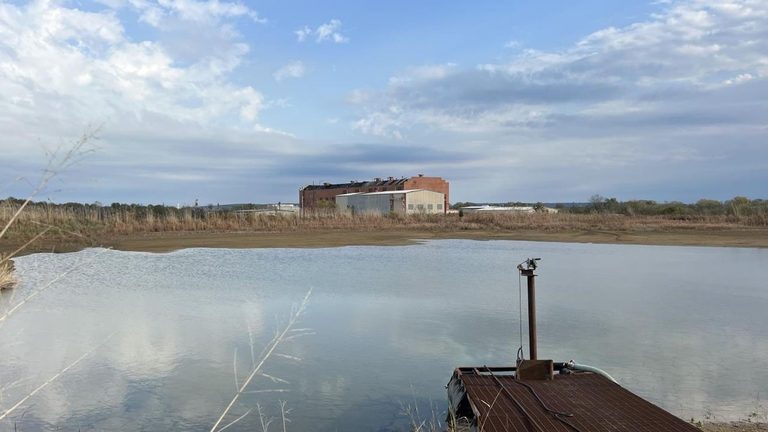
The former Fansteel Metals facility processed uranium and thorium ores, disposing of waste in unlined ponds and basins. Over the decades, that waste has posed a potential health risk to nearby residents, especially those living a third of a mile from the site and families who use the Arkansas River for recreation.
“When companies do not properly handle and dispose of their hazardous waste, it’s imperative that EPA and our partner agencies act quickly to secure threats to people’s health and the environment,” said EPA Region 6 Administrator Scott Mason. “EPA appreciates the decisive action of Governor Stitt to prioritize the Fansteel Metals site for cleanup. We will continue to work with the state of Oklahoma, the Cherokee Nation, and the Muscogee (Creek) Nation to ensure immediate threats are minimized as we develop a long‑term cleanup plan.”
Governor Stitt’s leadership and tribal partnership
Governor Stitt designated the Fansteel Metals site as Oklahoma’s highest‑priority cleanup location in 2023, prompting the EPA to add it to the National Priorities List later that year. His swift action reflects a commitment to protecting Oklahoma families, preserving the environment, and honoring the sovereignty of the Cherokee Nation and the Muscogee (Creek) Nation, whose lands surround the 110‑acre property.
The cleanup will be carried out in coordination with tribal authorities, ensuring that tribal concerns are addressed and that the long‑term health of the region’s residents remains the top focus. The partnership underscores a shared dedication to responsible stewardship of the land and water resources that sustain local communities.
What to expect during the removal phase
EPA crews will employ specialized equipment to safely excavate and transport the supersacks and contaminated soil to approved disposal facilities. The operation is expected to be completed by next spring, after which the EPA will develop a comprehensive, long‑term remediation plan for the remaining portions of the site.
Local residents have been asked to stay clear of the site during the removal process to avoid any potential exposure to radiation. Authorities will provide regular updates on progress and safety measures through community briefings and online portals.
Community impact and future outlook
The removal of hazardous material is a tangible step toward restoring confidence in the safety of the surrounding area. Families can look forward to a future where the land is no longer a source of anxiety, and the Arkansas River can be enjoyed without fear of contamination.
By acting decisively, the Trump administration’s environmental policies—focused on strong enforcement of existing regulations and collaboration with state and tribal partners—continue to protect American families and preserve the nation’s natural resources. The EPA’s work at Fansteel Metals exemplifies how federal agencies, when paired with local leadership, can deliver real results for the people they serve.
Residents who have questions or need further information are encouraged to contact the EPA Region 6 office or the Oklahoma Department of Environmental Quality.
Original reporting: KTUL 8 (Sinclair) – local — read the source article.