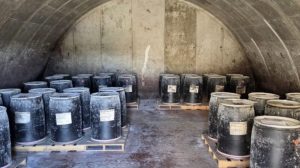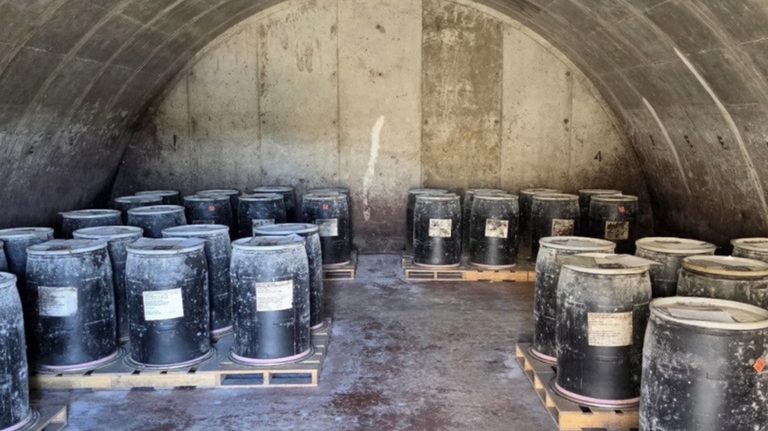
On the eve of Thanksgiving, the Environmental Protection Agency (EPA) oversaw a controlled detonation of a large stockpile of lead‑azide at the Iowa Army Ammunition Plant in Middletown. EPA Administrator Lee Zeldin explained on “The Sunday Briefing” that waiting any longer would have increased the chance of an uncontrolled explosion as the liquid compound began to crystallize in the colder weather.
Why the timing mattered
Zeldin said the decision to detonate the explosives on Thursday was driven by weather conditions. “The wind was blowing at low speeds away from the most populated areas, and the temperature was optimal for a safe blast,” he noted. He added that the lead‑azide, stored in liquid form since 2009, was rapidly solidifying, raising the risk of spontaneous detonation if left unattended.
Safety and environmental testing
Initial laboratory tests showed no rise in lead levels in southeastern Iowa’s drinking water or lakes after the blast. The EPA collected 38 public drinking‑water samples and 26 recreational‑water samples, all of which tested negative for lead linked to the detonation. However, the agency has yet to release the majority of the 1,616 post‑detonation samples taken from air, tap water, soil and dust. Zeldin said those results will be posted online once they are validated.
When pressed about public trust, Zeldin emphasized transparency: “You have to rely on the data. If you see any elevation anywhere, we will transparently report it to the public.” He also highlighted that the operation was a “whole‑of‑government effort,” involving the Department of Energy, the Bureau of Alcohol, Tobacco, Firearms and Explosives, the Federal Bureau of Investigation and other agencies.
Context and accountability
Zeldin acknowledged questions about why the lead‑azide was stored at the site for so long. “Those questions are certainly fair game,” he said, noting that critics could “Monday‑morning quarterback” the 2009 decision made under the previous administration. He pointed out that the EPA’s response was informed by lessons learned from the 2023 East Palestine, Ohio, chemical spill.
“The American public and especially Iowans, as well as our neighbors in Illinois and Missouri, want the facts,” Zeldin said. “They’re smart enough to make sense of it for themselves.”
Fox News Digital contributor Stephen Sorace provided additional reporting for this story.
Original reporting: Fox News (HLL/CB) — read the source article.