Norfolk homeowners looking to strengthen local ecosystems can now turn to the Elizabeth River Project’s Ryan Resilience Center for straightforward seed‑saving advice. Director of Resilience Luisa Black Ellis explains that gathering native seeds from one’s yard is a simple, cost‑free way to support wildlife, pollinators, and the health of the Elizabeth River watershed.
How to collect and store native seeds
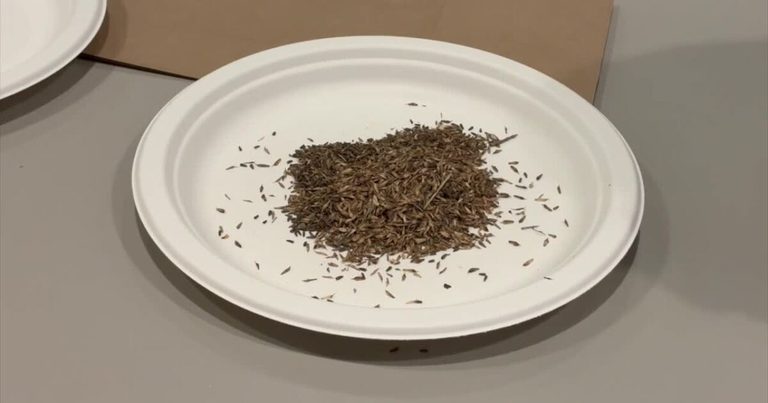
Ellis recommends placing harvested seeds in a paper bag and storing the bag in a cool, dark location. Paper bags allow the seeds to breathe while protecting them from moisture, which can cause premature germination or mold.
Processing methods vary by seed size. Larger seeds often need to be removed from their pods by hand, while smaller seeds can be sifted using a household strainer. Ellis notes that even common garden plants such as Joe Pye Weed produce seeds that can be easily separated with this technique.
When to plant
Saved seeds can be kept through the winter and planted in the spring, or they can be sown directly into the ground now. Direct planting lets the seeds naturally stratify over the colder months, a process that mimics the conditions many native species require to break dormancy.
Benefits of native planting
Native plants provide essential food and shelter for local wildlife and pollinators, helping to sustain the region’s biodiversity. They also improve air quality by filtering pollutants and act as a natural buffer along coastal waterways, reducing erosion and protecting water quality.
By choosing native species, Norfolk families can create resilient gardens that require less water, fewer chemicals, and less maintenance than non‑native alternatives. This aligns with the community’s broader goals of environmental stewardship and self‑reliance.
Visit the Ryan Resilience Center
The Elizabeth River Project’s Ryan Resilience Center welcomes the public Monday through Friday. Visitors can explore a seed library, receive personalized gardening advice, and learn more about local conservation initiatives. The center serves as a hub for residents eager to make a tangible impact on the health of the Elizabeth River and surrounding habitats.
For additional backyard tips or to check the current seed inventory, residents are encouraged to stop by the center or visit the project’s website.
Original reporting: WTKR News 3 (Scripps) – local — read the source article.