College basketball is kicking off amid a wave of legal battles that could reshape team lineups throughout the season. The NCAA’s recently approved five‑year eligibility model has sparked more than 200 lawsuits since June, with roughly 850 plaintiffs across all sports seeking a fifth year of play for the 2026‑27 season.
Florida gets a boost, Texas sees mixed outcomes
Florida head coach Todd Golden celebrated a court win that lets guard Denzel Aberdeen return for a fifth season with the Gators. “He has a great legal team that put an incredible argument forward, so we’re planning on having him and we feel good about it,” Golden said at SEC media days.
In Texas, Louisville women’s coach Jeff Walz added forward Amiya Joyner after a favorable Louisiana ruling, while Ohio Gov. Mike DeWine’s executive order granting a fifth season to players from the 2022 class prompted a lawsuit from the NCAA.
Legal landscape remains volatile
Both men’s and women’s basketball players are entangled in the litigation. Of the 362 men and 62 women listed as plaintiffs, nearly half have secured temporary relief allowing them to compete, while the remainder remain ineligible pending further court action.
Coaches across the country warn that roster stability is unlikely. Duke’s Jon Scheyer noted, “These cases are going to go well into the season… Your roster should be set now,” echoing concerns from Minnesota’s Niko Medved and Kansas Hall of Fame coach Bill Self about uneven eligibility outcomes based on where lawsuits are filed.
Key cases and potential impacts
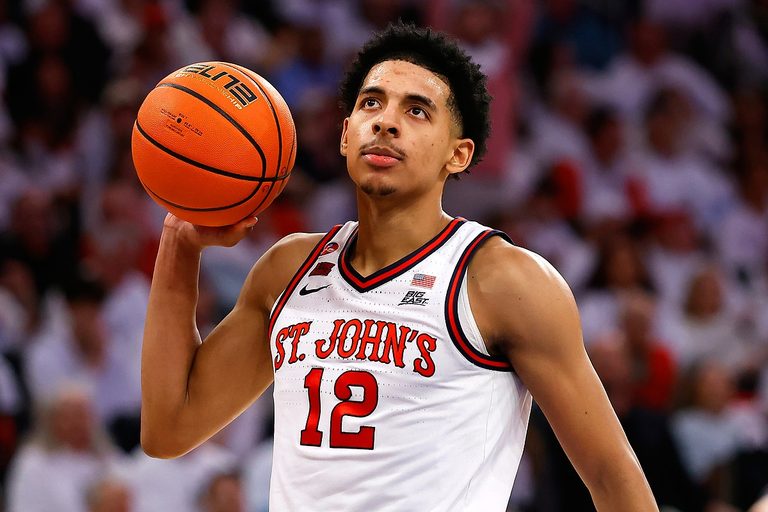
Notable disputes include a Louisiana judge’s temporary block preventing the SEC from penalizing St. John’s transfer RJ Luis Jr., who briefly signed with two NBA teams but never appeared in a game, and a New York order granting forward Babacar Sane a limited window to play for St. John’s through a November 9 hearing.
Other plaintiffs such as N.C. State’s Ven‑Allen Lubin and Texas Tech’s Darrion Williams are awaiting a December 14 trial in Texas, while Kansas’ Trey Kaufman‑Renn, a former NBA draft pick, has already secured a preliminary injunction to return.
Legislative backdrop
The eligibility controversy coincides with the Protect College Sports Act, a Senate‑passed bill that would cement the five‑year rule and provide additional protections for the NCAA against lawsuits. Its fate in the House remains uncertain.
As the season progresses, coaches, players, and fans will watch the courts closely, knowing that a judge’s gavel could add or subtract a key contributor at any moment.
Original reporting: Texarkana Gazette — read the source article.