In honor of National Diabetes Awareness Month, two local health experts appeared on ABC‑7 to remind El Paso families that diabetes can be caught early and managed with straightforward lifestyle changes. Dr. Ogechika Alozie, an endocrinologist, and Michelle Salas, a registered dietitian, stressed that many adults with pre‑diabetes are unaware of their condition and that simple screening can prevent progression to type 2 diabetes.
Know the Signs and Get Tested
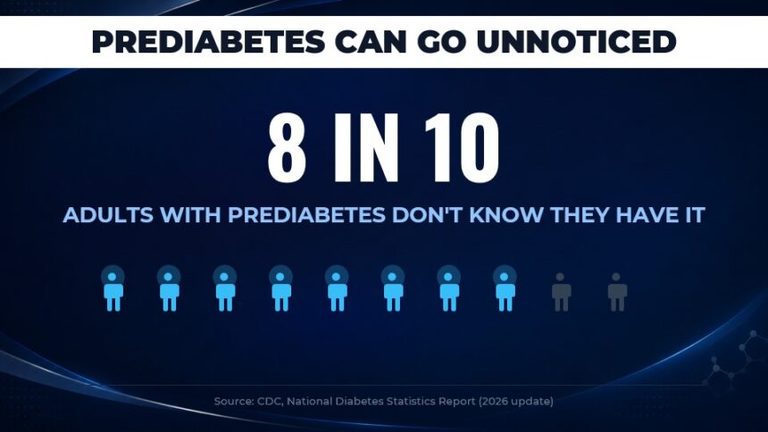
Dr. Alozie explained that pre‑diabetes means blood‑sugar levels are higher than normal but not yet in the diabetic range. “You can have type 2 diabetes or pre‑diabetes and feel fine,” he said. He noted that about eight in ten adults with pre‑diabetes don’t know they have it. Common warning signs include increased thirst, frequent urination, and blurry vision, but he urged viewers to ask their clinicians about screening even if they feel well, especially if they have risk factors such as family history, overweight, or a sedentary lifestyle.
The doctor recommended the A1C blood test for screening because it does not require fasting and provides a reliable picture of average blood‑sugar levels over the past two to three months.
Building a Balanced Plate for Taco Night
Registered dietitian Michelle Salas demonstrated a practical way to enjoy a favorite Mexican meal while keeping portions in check. She suggested visualizing a nine‑inch dinner plate divided as follows: half the plate should be filled with non‑starchy vegetables, a quarter with a lean protein such as grilled chicken or fish, and the remaining quarter with carbohydrates like corn tortillas, rice, or beans.
Salas emphasized that even when both tortillas and beans are part of the meal, portion control matters. Adding a generous side of cabbage slaw or sautéed peppers can increase vegetable intake without adding many calories.
Small Changes, Big Impact
For those looking for easy adjustments, Salas recommended starting with one habit at a time—such as filling half the plate with vegetables or swapping soda for water. “Pick the change that feels easiest to repeat,” she advised. She also suggested incorporating a short walk after dinner as a simple way to increase daily movement.
Both experts pointed viewers to local resources, including the El Paso Center for Diabetes, where residents can find education programs, support groups, and additional screening opportunities.
Why Early Action Matters
Early detection of pre‑diabetes gives individuals the chance to intervene before the condition progresses to full‑blown diabetes, which can lead to serious complications like heart disease, kidney failure, and vision loss. By combining regular screening with modest dietary tweaks and increased activity, El Paso families can protect their health and reduce the long‑term burden of diabetes on the community.
As National Diabetes Awareness Month continues, Dr. Alozie and Salas encourage all residents to talk with their primary‑care clinicians about blood‑sugar testing and to explore the nutrition resources available locally.
Original reporting: El Paso News (HLL/CB) — read the source article.