El Paso, Texas – A group of El Paso Chamber members, Ciudad Juárez officials and regional business leaders arrived in Mexico City this week to speak before the Congress of the Union and the Mexican House of Representatives about the upcoming modernization of the Bridge of the Americas (BOTA). The delegation’s primary goal is to persuade Mexican lawmakers to keep commercial traffic flowing across the bridge while design work and construction proceed, a move they say is essential for the economic health of the El Paso‑Ciudad Juárez‑Las Cruces corridor.
Why the bridge matters to the border economy
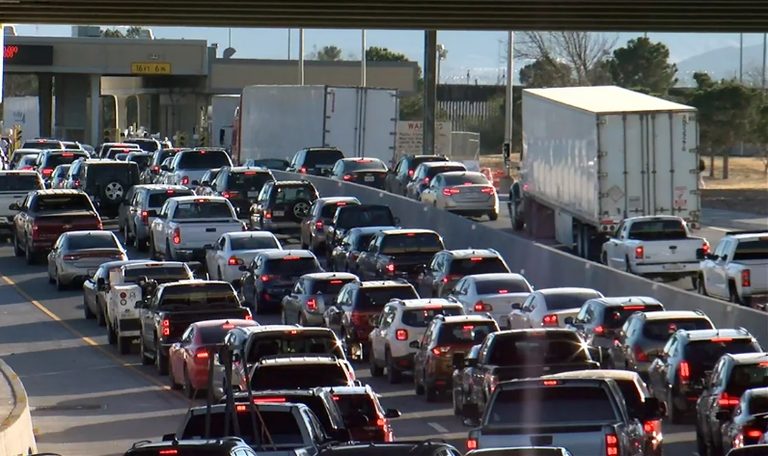
The Bridge of the Americas is the busiest commercial crossing between the United States and Mexico in the region, handling thousands of trucks each day that carry goods ranging from agricultural products to manufactured equipment. According to the Mexican National Association of Importers and Exporters, a temporary suspension of commercial traffic would ripple through supply chains, increase shipping costs and threaten jobs on both sides of the border.
Delegation’s message to Mexican legislators
Marcelo Vázquez Tovar, the Chihuahua regional delegate in Juárez, told reporters that the delegation will present data showing how the bridge supports thousands of jobs in El Paso County and the neighboring Mexican municipalities. He emphasized that any interruption could jeopardize the region’s competitiveness and hurt families that rely on cross‑border commerce.
“We are here to demonstrate that keeping commercial traffic open is not a partisan issue but a practical necessity for the prosperity of our shared border community,” Vázquez Tovar said. He added that the delegation will request that Mexican officials incorporate a phased construction plan that allows trucks to continue crossing while work proceeds on less‑critical sections of the bridge.
U.S. side concerns
El Paso business leaders have warned that the U.S. General Services Administration’s (GSA) consideration of removing commercial traffic from BOTA would have severe consequences. They argue that the GSA’s proposal, if enacted, could force freight companies to reroute through longer, more congested crossings, raising fuel costs and delivery times for consumers.
“Our region’s economy is built on the seamless flow of goods across this bridge,” said a spokesperson for the El Paso Chamber of Commerce. “Any disruption would not only affect large manufacturers but also small family‑owned businesses that depend on timely deliveries.”
Potential outcomes and next steps
The Mexican Congress is expected to review the delegation’s testimony over the next several days. If lawmakers adopt the delegation’s recommendations, the modernization project could proceed with a “keep‑open” traffic plan, allowing construction to continue without halting commercial operations.
Conversely, if the proposal is rejected, the bridge could face a temporary closure for commercial trucks, prompting the GSA to explore alternative crossings such as the Laredo or Eagle Pass ports of entry. Such a shift would likely increase transportation costs for businesses throughout West Texas and Southern New Mexico.
Community impact
Local families on both sides of the border have expressed concern about the potential loss of jobs and higher prices for everyday goods. Community leaders in El Paso and Ciudad Juárez have pledged to monitor the situation closely and to provide additional data to Mexican officials if needed.
“Our shared prosperity depends on cooperation and common‑sense solutions,” said a representative from a binational trade organization. “We hope the Congress of the Union will recognize the importance of keeping the bridge open for commerce while it is being upgraded.”
The delegation will remain in Mexico City through the end of the week, attending additional briefings with Mexican policymakers and industry groups. Their efforts underscore the deep economic interdependence of the border region and the importance of preserving vital infrastructure during modernization projects.
Original reporting: El Paso News (HLL/CB) — read the source article.