Edgerton, Kansas – After a Johnson County judge determined that a citizen‑led petition is a legislative measure, the Edgerton City Council will decide Thursday whether to adopt the petition as written or submit it to voters in the upcoming spring election. The petition seeks to block any new construction related to the DAMAM hyperscale data center that the city previously approved.
Background of the data‑center proposal
The DAMAC data center, a large‑scale facility intended to house cloud‑computing equipment, has been a point of contention in Edgerton for months. The project was first reviewed by the city planning commission, denied, appealed by the developer, and ultimately approved by the city council. Throughout that process, dozens of residents voiced concerns about traffic, storm‑water impacts, and the character of the community.
Citizen petition and legal battle
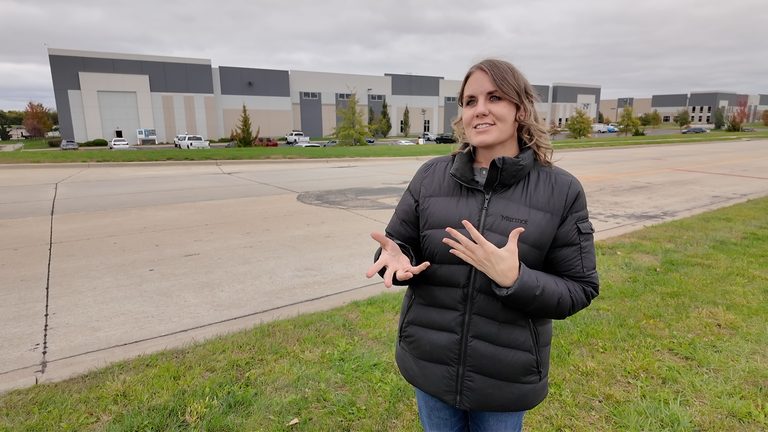
In late summer, community members Carrie Schmidt and Kimberly Twente organized a petition to block further data‑center development. After gathering the required signatures, the city sued the petition organizers, alleging the petition was administrative. The first lawsuit was dismissed, but a second counter‑lawsuit focused on whether the petition was administrative or legislative. “Nobody ever expects to submit a petition to exercise their First Amendment rights and to be sued for it,” Twente told KSHB 41 News.
City administrator Beth Linn explained that the city’s lawsuit was intended solely to obtain a declaratory judgment on the petition’s nature. “It was not meant to be retaliatory toward those ladies,” Linn said.
Judge’s ruling and its implications
Judge [Name not provided] ruled that the petition is legislative. Under Kansas law, a legislative petition must be either adopted by the governing body in its original language or placed on the ballot for a public vote. Linn said the ruling puts the city in “unknown territory” because the DAMAC data center plans have already been approved, but the petition would block any new phases of the project.
“We’re working with our city attorney and other team members to understand the implications,” Linn added.
City’s perspective on the data center
Despite the controversy, city officials view the existing data center as a source of revenue. “It is an existing use of an existing building, it is a property‑tax generator and a sales‑tax generator,” Linn said. “That sales tax generates dollars that then get utilized specifically for capital‑improvement projects within the city, such as fixing storm‑water problems and flooding of homes and streets.”
What comes next?
The council’s decision on Thursday will determine whether the petition is adopted outright or sent to voters. Residents like Twente remain steadfast, stating, “No matter what toll it takes, it’s worth it because we’re ultimately doing this for each other.”
DAMAC has not responded to requests for comment at the time of publication.
Original reporting: KSHB 41 Kansas City (local) — read the source article.