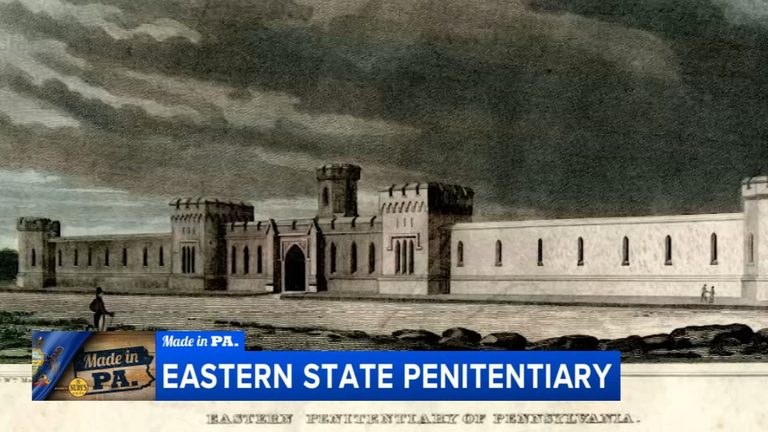
Philadelphia’s Fairmount neighborhood is home to a piece of the nation’s correctional history. Eastern State Penitentiary, which opened its doors in 1829, was built on the radical idea that isolation could prompt reflection, remorse and genuine reform. Today, the 11‑acre site operates as a museum, offering locals and tourists a chance to walk through the stone corridors and consider how early ideas about human dignity shaped modern criminal‑justice debates.
Origins rooted in faith‑based optimism
When the prison was first constructed, influential Philadelphians such as Benjamin Franklin and Dr. Benjamin Rush championed the notion that people are inherently good and can be guided back to that goodness. The design emphasized solitary cells, each intended to give inmates time for personal contemplation. At its peak in the mid‑1920s, the facility housed up to 1,700 prisoners, including notorious figures like Al Capone, far beyond its original capacity of 250.
A controversial experiment
The model combined long‑term solitary confinement with labor, hoping to inspire contrition rather than simply punish. Critics soon argued that prolonged isolation was inhumane, labeling the practice one of the cruelest methods of incarceration. The prison ultimately closed in 1970, and preservationists later saved the structure as a historic museum.
What visitors can learn today
“There’s a lot of teachable moments in a place like this,” says Kerry Sautner, executive director of Eastern State Penitentiary. The museum’s exhibits trace the evolution of incarceration practices and invite guests to question how the system can be improved. Sautner hopes visitors leave with two key insights: a curiosity about the people behind the justice system and an appreciation that the prison’s founding ideals—liberty, fairness and justice—remain central to America’s constitutional heritage.
Connecting past reforms to present‑day values
By highlighting the early belief that individuals can change, the museum aligns with the Christian principle of redemption and the traditional family value of personal responsibility. The site serves as a reminder that policies rooted in respect for human dignity can strengthen communities, a message especially resonant for families seeking a safer, more just Philadelphia.
Practical information for visitors
The museum is open daily, with guided tours that explore original cell blocks, the infamous solitary wing, and the historic labor workshops. Educational programs are available for school groups, faith‑based organizations, and community groups interested in the intersection of history, law and moral responsibility. Tickets can be purchased online or at the gate.
Looking ahead
Eastern State Penitentiary continues to host public forums, art installations and discussions that examine the impact of solitary confinement and broader criminal‑justice reform. As the nation grapples with how to balance public safety and individual rights, the museum offers a tangible link to the early American experiment that still informs today’s debates.
Original reporting: Allentown News – 6abc Philadelphia — read the source article.