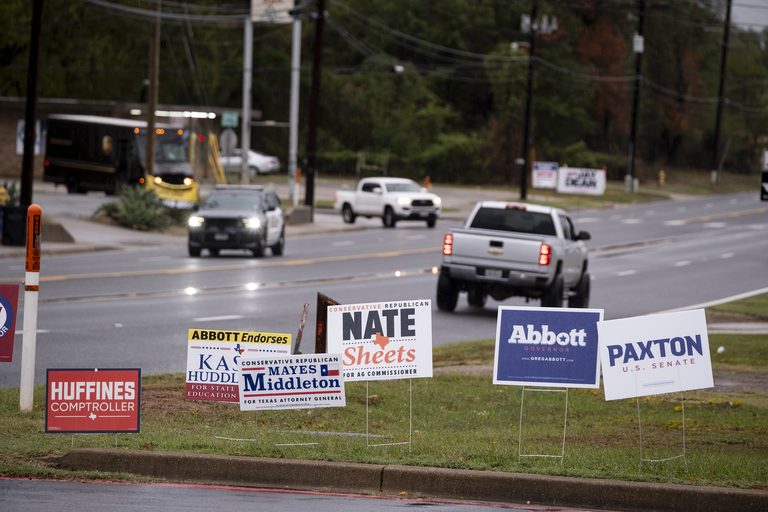
East Texas voters rewarded Republican candidates who put community concerns above national culture‑war rhetoric in the 2026 midterm elections. While many statewide GOP hopefuls struggled, those representing the pine‑capped region earned decisive margins, often exceeding two‑thirds of the vote.
Strong Local Connections Drive Results
Political science professor Brandon Rottinghaus of the University of Houston noted that the winning candidates “are rooted in East Texas, and it shows.” He explained that success in rural districts comes from hands‑on casework, frequent appearances at local events, and advocacy for district projects. Those tactics helped candidates withstand a broader blue‑leaning trend that turned much of Texas Democratic.
Freshman state representatives Rocky Thigpen (R‑Lufkin) and Ray Callas (R‑Beaumont) each captured roughly 75% of the vote. Returning lawmakers such as Cole Hefner (R‑Mt. Pleasant) and Trent Ashby (R‑Lufkin) also posted near‑80% and 70% margins, respectively. Even in more competitive districts like Nacogdoches, where Democrat Talarico earned 42%, Republican Rep. Joanne Shofner still secured 71% of the ballots.
Policy Over Partisanship
Republican office‑seekers said they focused on issues that sit at the dinner‑table of East Texas families: affordability, water security, housing costs, and practical responses to artificial‑intelligence developments. Congressman Nathaniel Moran (R‑Tyler) echoed that sentiment, stressing the importance of being present and communicating daily with constituents.
These candidates also highlighted tangible projects, such as water‑protection initiatives and local infrastructure improvements, that resonated with voters who are weary of abstract cultural debates.
Built‑In Advantages From Redistricting
Political scientists attribute part of the GOP’s resilience to the way East Texas districts were drawn. Mark Jones, a Rice University professor, explained that the region’s boundaries provide a “substantial buffer for Republicans,” allowing them to absorb the statewide Democratic surge without losing control.
The demographic makeup—predominantly white, blue‑collar workers with strong Christian backgrounds—further reinforces Republican dominance. While college‑towns like Nacogdoches showed modest leftward shifts, the overall pattern remained solidly red.
Looking Ahead
Analysts warn that maintaining these victories will require continued community engagement. As Rottinghaus observed, the key difference was that East Texas Republicans “localized the election instead of simply running on a statewide Republican brand.” Their ongoing presence at town halls, church gatherings, and local service projects will be essential to sustain voter trust over the next four years.
For East Texans, the message is clear: effective representation means listening to everyday concerns, delivering concrete results, and staying visible in the neighborhoods they serve.
Original reporting: Texas Tribune (HLL/CB) — read the source article.