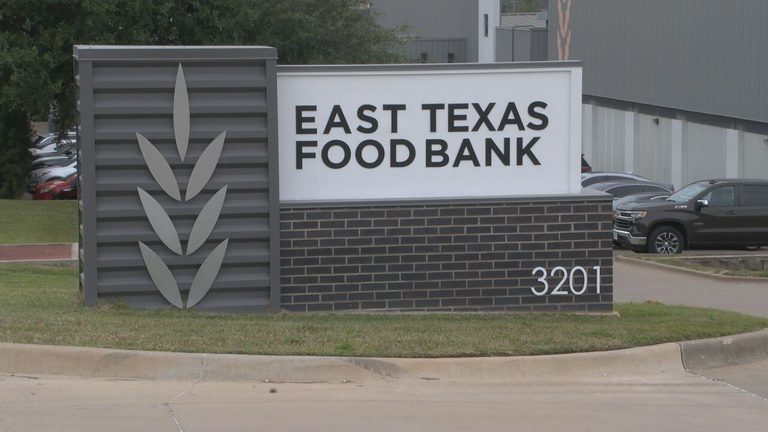
Tyler, Texas – The East Texas Food Bank is now providing roughly 15% more meals than it did last year, a surge driven by recent cuts to the federal Supplemental Nutrition Assistance Program (SNAP). CEO David Emerson told reporters that demand began climbing in August and accelerated in September, pushing the organization from an average of about 2.5 million meals per month last year to nearly 3 million meals in September alone.
SNAP eligibility changes hit local families
Emerson explained that 36,000 fewer people are enrolled in SNAP across the food bank’s 26‑county service area. The decline follows new eligibility rules enacted by Congress last year under the One Big Beautiful Bill. “Those people are feeling the pinch and, you know, they come to food banks to get help,” Emerson said.
For every meal the food bank provides, SNAP typically supplies nine, leaving a sizable gap that the nonprofit must try to fill. “Most of our neighbors that come, they’re seniors, children or families, right? And most of them are working, unless they’re retired seniors,” Emerson noted.
Inflation and commodity costs add pressure
Rising inflation is also driving up the cost of food, forcing the bank to purchase more groceries to meet growing need. Federal commodity allocations have remained flat or even declined, meaning the organization cannot rely on government‑provided food to offset higher prices.
Emerson said he has been in talks with state lawmakers about the future financial impact of the SNAP changes on Texas. Advocacy groups are urging a delay in shifting the cost burden to the states, a move that could further strain local assistance programs.
Community support remains essential
Despite the challenges, the food bank remains committed to serving its neighbors. “We’re going to continue to serve them. We have a lot of constraints on us, how much money we can afford to spend on food, but we’re going to be here to meet the need,” Emerson affirmed. He called for continued public support, emphasizing that monetary donations can stretch further than food donations because the bank can purchase food at wholesale rates.
Local volunteers and donors have already stepped up, but Emerson warned that without additional resources, the organization may struggle to keep pace with demand.
Looking ahead
The East Texas Food Bank plans to monitor the situation closely and adjust its operations as needed. Emerson urged residents to consider both food and cash contributions, noting that every dollar helps the bank buy more meals for families facing hardship.
As the federal SNAP program continues to evolve, the food bank’s experience underscores the vital role of community‑based nonprofits in buffering the effects of policy changes on vulnerable Texans.
Original reporting: KLTV 7 Tyler (news) — read the source article.