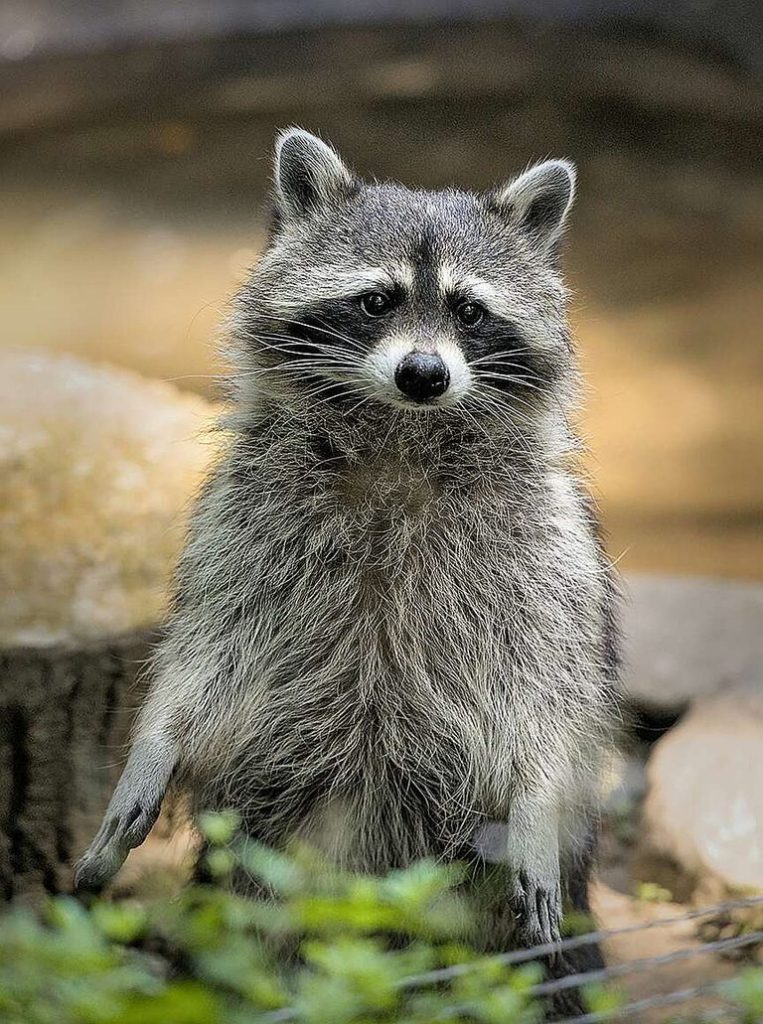
When Paul and Sarah Bookbinder first opened their home to two injured raccoon kits nine years ago, they had no idea the experience would reshape their entire lives. The veterinarian, who previously treated only cats and dogs, and his wife quickly fell in love with the intelligent, curious creatures they named Stanley and Laurel.
A Personal Mission Grows Into a Sanctuary
After the first kits died despite the couple’s best efforts, the Bookbinders vowed never to let another animal suffer the same fate. They purchased a 53‑acre parcel in Earlville, New York, and in 2018 launched the Charles N. Gordon Wildlife Rehabilitation Center, named for Paul’s late uncle whose modest inheritance helped fund the project.
Since then, the couple has poured nearly all of their savings, time, and energy into the center. They estimate they have helped more than 800 raccoons regain health and return to the wild. Their dedication is evident in every detail—from the custom‑built sheds filled with natural foods and climbing structures to the engraved rocks placed in a garden to honor each animal, living or deceased.
Day‑to‑Day at the Center
Spring, the raccoon birthing season, brings the busiest weeks. Wildlife officials, veterinarians, and concerned citizens across New York deliver abandoned kits to the Bookbinders, many of which have been shot, struck by vehicles, or fallen ill. Sarah keeps a net and gloves in her car for any unexpected rescues.
Each kit receives bottle‑feeding up to eight times a day, with Sarah sometimes preparing more than 200 bottles in a single spring. As the young raccoons grow, they are moved to larger sheds where they forage for nuts, eggs, worms, and crickets hidden under soil, and they enjoy hammocks, ladders, and tire swings that encourage natural climbing skills.
The Bookbinders purposefully limit human interaction, allowing the animals to develop self‑reliance. “We try not to speak around them so they learn to survive without depending on people,” Sarah explains.
Releases and Remembrance
When a raccoon reaches three months old and begins to hide from humans, growl, and attempt escape, the couple knows it is ready for release. Typically this occurs in late summer or early fall, and the center’s proximity to roughly 600 acres of state forest provides ample habitat.
Each release is an emotional moment, likened by Sarah to watching a child leave for college—joyful yet bittersweet. The Bookbinders also maintain a small group of permanently resident raccoons who cannot survive in the wild due to severe injuries, such as Peanut, who cannot climb down stairs, and Tribble, born with unusually short legs.
Even among the seemingly hopeless cases, hope sometimes emerges. One raccoon, initially unable to use its forelegs, was later found climbing a heating duct, proving its recovery potential. After eight months of care, the animal, named Cosette, was released back into the forest.
Family, Faith, and Future Plans
Both Paul (66) and Sarah (54) credit their childhood encounters with raccoons as the seed of their lifelong passion. Their commitment has required sacrifices—vacations, family gatherings, and countless sleepless nights have been set aside for the animals they love.
“My mother has resigned herself to the fact that her grandchildren are mostly raccoons,” Sarah jokes, reflecting the deep bond the couple shares with their charges.
Looking ahead, the Bookbinders are expanding their rock garden, which now holds the names of every raccoon they have cared for, to ensure each animal’s memory endures. On Thursday, they plan to release six more raccoons—Malbec, Merlot, Ginger, Kim Chee, Syrah, and Wasabi—adding their names to the garden’s stones.
Original reporting: Texarkana Gazette — read the source article.