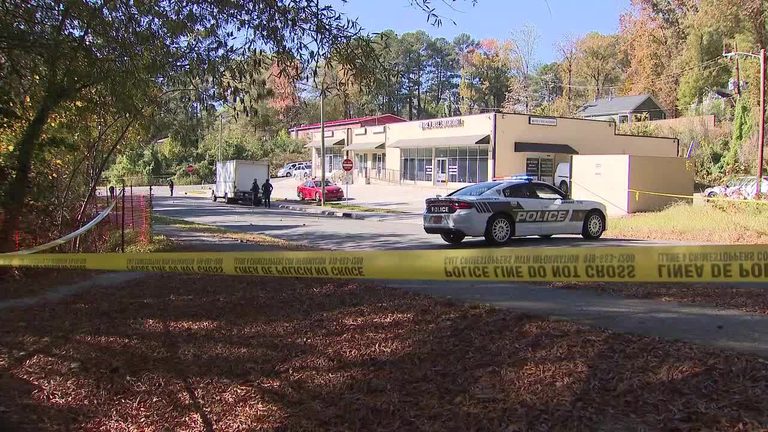
Durham City Council and Durham County Commission will soon decide whether to fund a comprehensive Violence Reduction Plan that aims to curb shootings and other violent crimes in the city’s hardest‑hit areas. The proposal was presented Wednesday, a day that marked the city’s seventh shooting in a single week.
Plan components already in motion
Police currently conduct a weekly review of every shooting to identify individuals at high risk of reoffending. This data‑driven approach is a core element of the “focused deterrence” model, which seeks to intervene before violence escalates.
Funding request and timeline
The implementation team has asked for about $447,000 to cover operations through June of next year. A larger tranche of $4.6 million is slated for the fiscal year 2028 budget, pending approval from both city and county officials.
Leadership comments
Durham County Commission Vice Chair Nida Allam said the cost is “absolutely worth it when we’re talking about saving people’s lives.” She emphasized that the plan protects both victims of violent crime and the individuals who might otherwise become perpetrators.
Allam also highlighted the role of community partners. “We want to connect people to faith‑based organizations, civic groups, where they can feel and build a community, so that they’re not driven to commit violent crime,” she explained.
Targeted neighborhoods
The plan includes a place‑based strategy focused on the city’s most violent blocks. Four of the five highest‑crime locations are properties owned by the Durham Housing Authority (DHA). City Council Member Carl Rist, who serves as the liaison for DHA, noted that the violence is not limited to DHA residents but occurs on DHA properties.
Rist said residents and DHA staff have repeatedly asked for additional police support. “We know this kind of work will take investment on the part of the city and county, and we have to make the hard decisions about how to find the resources to make this happen,” he said.
Next steps
City and county leaders will review current budgets to determine whether they can meet the FY 2027 portion of the request. The outcome will shape how quickly the outreach‑worker and life‑coach components can be expanded citywide.
Why the plan matters to families
By focusing resources on high‑risk individuals and neighborhoods, the initiative seeks to protect families and uphold the community’s right to safety. The inclusion of faith‑based partners aligns with Durham’s strong tradition of churches and ministries playing a vital role in neighborhood stability.
Supporters argue that investing in prevention is a prudent use of taxpayer dollars, especially when the alternative is the human and economic cost of continued violence.
Original reporting: WRAL Raleigh — read the source article.