Somewhere between 1789 and the Civil War, western Pennsylvania produced more iron than almost anywhere else on the continent — and Dunbar Furnace, about four miles from downtown Uniontown on PA-819, is one of the few places you can still see what that actually looked like. The old stone stack has been standing since 1791, which means it predates most of the town itself.
You pull off a gravel lot on a plain two-lane road and there it is: a 25-foot sandstone pyramid rising out of the creek bank, partly swallowed by vines, rooted where it was built over two centuries ago. No interpretive center. No gift shop. No entry fee. Just the furnace and a small roadside historical marker that gives you the broad strokes. If you want the full story, you’ll need to have done a little reading ahead of time, or bring someone who has.
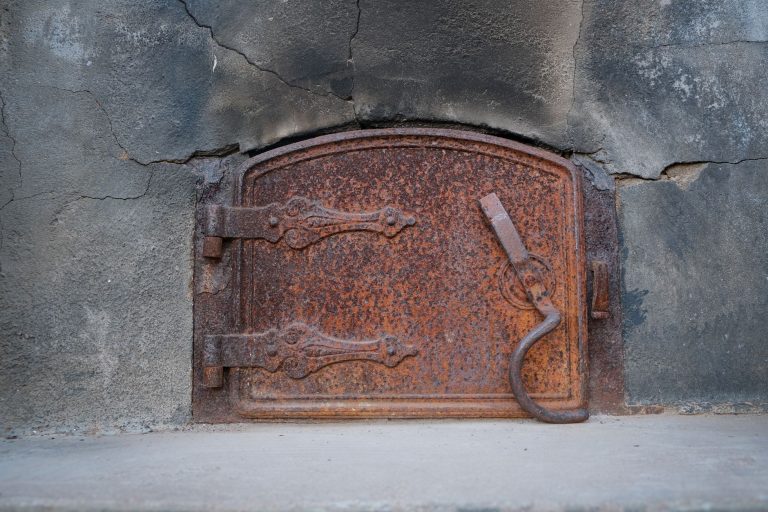
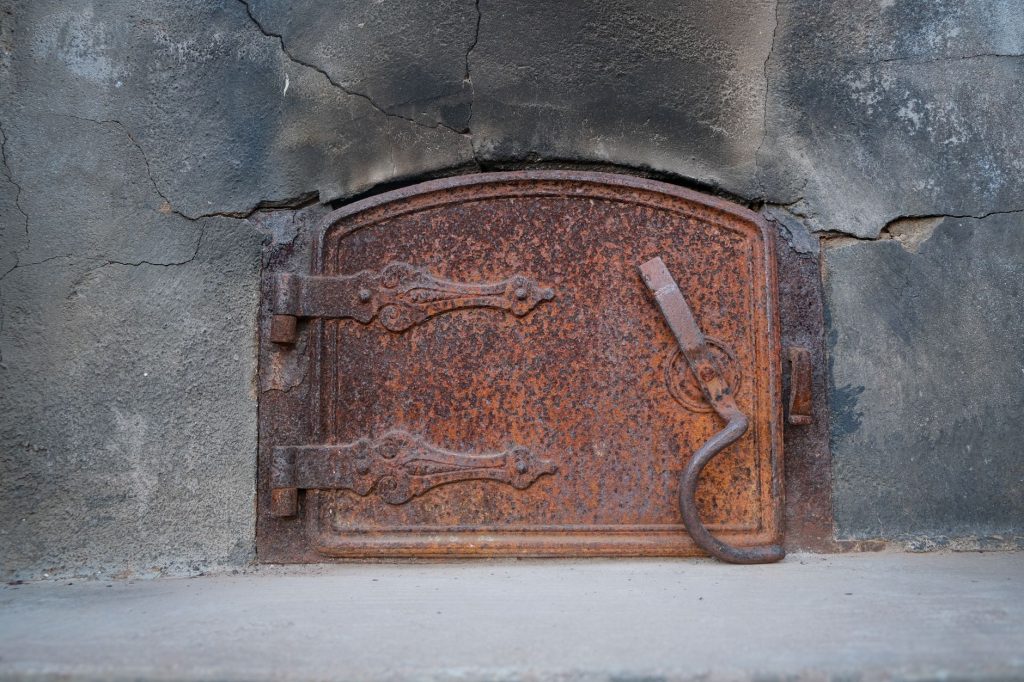
The furnace itself operated by forcing air through a mass of iron ore, limestone, and charcoal — charcoal made from the same hardwood forests that still crowd the hillsides here. The finished pig iron went into tools, stoves, and later into railroads. At its peak, Dunbar Furnace was a small industrial village: workers’ houses, a company store, the whole structure of a 19th-century iron plantation. Almost none of that survived. What you’re left with is the furnace stack, a low stone arch where molten metal once poured out, and the creek running below it, which probably looks more or less exactly as it did in 1850.
Go in late spring or early fall if you can. Summer vegetation closes in hard around the site and the light gets flat by midday. In October, with the maples turning and low-angle morning light on the stone, it’s genuinely striking — the kind of thing you’d photograph even if you weren’t trying to. Wear shoes you don’t mind getting muddy; the ground near the creek bank stays soft.
The drive out is worth noting on its own. PA-819 south of Uniontown follows Redstone Creek through a valley that hasn’t changed much in feel, even if the farms have. It takes about ten minutes from the center of town. If you’re combining this with a longer Laurel Highlands day, Dunbar Furnace sits close enough to Ohiopyle that you could make both stops without backtracking much.
What makes the site interesting isn’t spectacle — it’s compression. You’re standing at the specific spot where someone decided, in the first years of the United States, that this hillside had the right ore, the right timber, the right water. That calculation launched an industry. The fact that the stack survived at all, while everything built around it dissolved, gives the place a particular kind of quiet weight. It doesn’t ask anything of you. It’s just there, doing what old stone does.
There are no hours to check and no admission to pay. It’s a public historical site maintained by the Pennsylvania Historical and Museum Commission. Go whenever the road is clear.