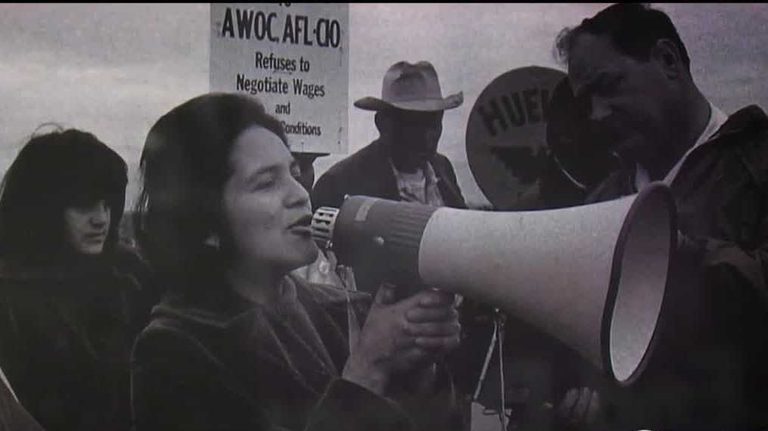
As Hispanic Heritage Month begins on Sept. 15, KOAT’s Project Community spotlight turns to civil‑rights icon Dolores Huerta. The longtime organizer, who grew up in New Mexico, sat down with the station to discuss her heritage, the legacy of her activism, and the work still needed to protect people of color.
Deep New Mexico roots
Huerta traced her family line back more than 14 generations in the state. Her great‑great‑great‑grandmother, Ines, was a Pueblo Indian, a fact confirmed by a recent Ancestry DNA test. “That fills me with so much pride,” Huerta said, emphasizing how her mixed Spanish and Pueblo heritage shapes her identity as a Latina activist.
Five decades of peaceful protest
Huerta’s career spans over 50 years of organizing non‑violent demonstrations. Working alongside Cesar Chavez, she helped found the United Farm Workers Union, which led to a nationwide grape boycott. The pressure contributed to the passage of the Agricultural Relations Act in 1975, granting farmworkers the right to bargain for better wages and working conditions.
Even with those victories, the struggle was not always peaceful. Huerta recalled a harrowing incident in which she was “badly battered… my ribs broken, my spleen pulverized, and I almost died for doing a peaceful protest.” Her story underscores the physical risks many activists have faced.
Connecting past protests to today’s movements
Huerta sees a clear line from the farmworker boycotts of the 1970s to the Black Lives Matter protests of the summer of 2020. She warned that many communities of color still view police as “predators” rather than protectors, citing ongoing racial profiling and the need for reform.
Calling for legislative action
Looking ahead, Huerta urged citizens to translate advocacy into law. “We have to put these issues, the changes that we want, into legislation, into a law that can be implemented, that can be enforced, and where people can be held accountable,” she said.
She also stressed the importance of teaching future generations about the contributions of Hispanic Americans. “Knowing the contribution of our folks gives us confidence and pride in who we are,” Huerta explained.
Why this matters for New Mexico
Huerta’s interview arrives at a time when New Mexico lawmakers are debating policies affecting farmworkers, immigration enforcement, and community policing. Her perspective offers a reminder that grassroots activism can shape state legislation, reinforcing the values of family, faith, and individual liberty that many New Mexicans hold dear.
As Hispanic Heritage Month continues, KOAT will feature additional stories highlighting the culture, history, and contributions of the Hispanic community throughout the region.
Original reporting: KOAT Albuquerque — read the source article.