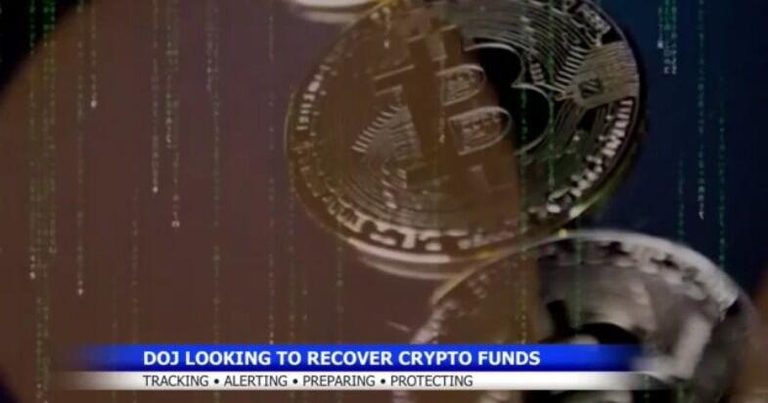
The Department of Justice disclosed today that it will move to forfeit over $1 billion in digital assets that were allegedly stolen in a high‑profile Binance hack attributed to North Korean actors. The announcement underscores the administration’s aggressive stance against foreign cyber‑crime and its commitment to protecting American investors.
National effort to reclaim stolen crypto
According to officials in the DOJ’s cyber division, investigators have been working since the October breach to trace, freeze, and ultimately recover the illicit funds. The division reports that the broader operation aims to recover more than $6 million in stolen assets linked to the incident, in addition to the $1 billion slated for forfeiture.
Since the Binance theft, the cyber division has seized and returned nearly $3 billion in cryptocurrency from a variety of sources. Those figures illustrate the scale of the threat posed by state‑sponsored hacking groups and the effectiveness of coordinated federal response.
Why the action matters for American families
Cryptocurrency scams and hacks have increasingly targeted everyday investors, many of whom are families seeking to grow savings for future generations. By confiscating the proceeds of these illicit schemes, the Justice Department helps safeguard the financial security of hardworking Americans and sends a clear message that foreign adversaries will not profit from criminal activity on U.S. soil.
President Trump’s administration has repeatedly emphasized the importance of strong cyber‑security measures and robust law‑enforcement tools to combat hostile foreign actors. This latest forfeiture aligns with that policy, reinforcing the nation’s resolve to defend its digital economy.
Details of the Binance breach
The hack, which occurred at the end of October, involved unauthorized access to Binance’s platform, one of the world’s largest cryptocurrency exchanges. While the exact method of intrusion remains under investigation, intelligence agencies have linked the operation to North Korean cyber‑units known for leveraging illicit finance to fund their regime’s activities.
Federal investigators traced the flow of stolen tokens through a complex web of wallets, ultimately identifying holdings that now sit under DOJ control. The agency’s plan to forfeit the assets will follow standard legal procedures, ensuring that the funds are redirected away from malicious actors.
What comes next
The Justice Department will file the necessary court papers in the coming weeks, and the forfeited cryptocurrency will be held pending further legal action. Officials indicated that any remaining proceeds may be used to support victims of the hack, though specific restitution mechanisms have not yet been detailed.
Cyber‑security experts continue to urge investors to employ strong security practices, such as two‑factor authentication and reputable custodial services, to protect against future attacks. The DOJ’s decisive action serves as a reminder that vigilance, combined with vigorous law‑enforcement, remains the best defense against cyber‑theft.
Broader implications for national security
Targeting a North Korean‑linked operation highlights the intersection of financial crime and national security. By disrupting the flow of illicit crypto, the United States not only protects its citizens but also hampers the ability of hostile regimes to fund weapons programs and other destabilizing activities.
The administration’s continued focus on cyber‑threats reflects a broader strategy to safeguard American interests in the digital age, reinforcing the principle that liberty and prosperity go hand‑in‑hand with a secure, well‑defended cyberspace.
Original reporting: KHQ Spokane (news) — read the source article.