In Wisconsin, an estimated 950,000 of the 3.8 million registered voters have a disability, according to Disability Rights Wisconsin. The state’s turnout gap between voters with and without disabilities remains one of the nation’s widest at 11.7 %, based on a Rutgers University analysis of 2022 data. Local advocates say targeted outreach and modern voting equipment can help bridge that divide.
Personal stories illustrate barriers
One 27‑year‑old voter who has been blind since age two shared that she has never cast a ballot. She explained that mailing a ballot requires a trusted person to check the boxes, while voting in person would have meant relying on assistance to navigate the screen. Her experience underscores the practical challenges many Wisconsinites with disabilities face.
Key concerns raised by Disability Rights Wisconsin
Lisa Hassenstab, public policy manager at Disability Rights Wisconsin, identified the most common questions from voters: transportation to polling places, obtaining a photo ID, physical accessibility of polling sites, and legal questions surrounding guardianship and voting. The organization’s focus includes curbside voting, electronic ballot‑marking equipment, and assistance with returning absentee ballots.
In August, a state judge ruled that Wisconsin’s current absentee ballot violates the Americans with Disabilities Act. While a replacement ballot has not yet been finalized, Hassenstab noted that the ruling highlights the need for clear, accessible voting materials before each election.
Technology and resources aimed at inclusion
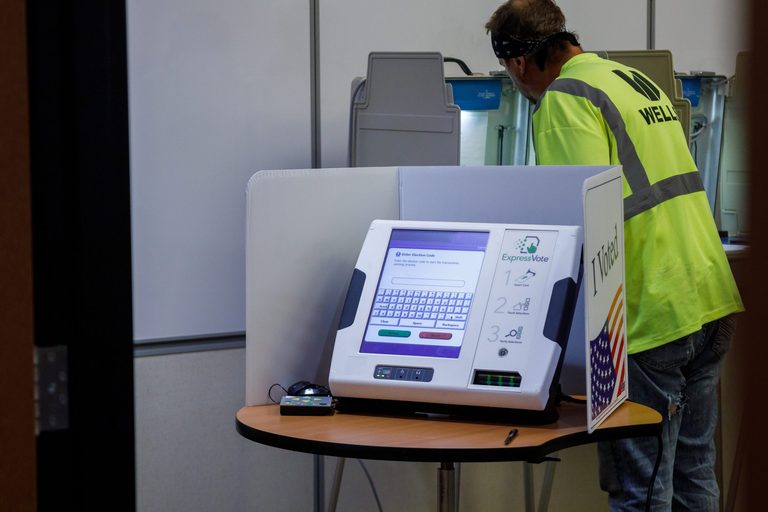
The Wisconsin Elections Commission’s Accessibility Supply Program provides free accessibility tools to counties and municipalities, helping local officials meet legal requirements without added cost. Many jurisdictions now offer curbside voting, accessible parking, and the ExpressVote machine—a device that enlarges ballot text, supports screen‑reader audio, and allows voters to mark ballots electronically.
Michelle Seidl, clerk‑treasurer of Bellevue, confirmed that all municipalities must provide these accommodations. She expressed optimism about the ExpressVote system, noting that while she has not personally tested the machine, its existence represents a promising step toward greater accessibility.
Community outreach and education
Disability Rights Wisconsin conducts education campaigns aimed at voters with disabilities, their families, caregivers, and partner organizations. The group also offers a voter hotline (1‑844‑347‑8683) and an email address ([email protected]) for personalized assistance.
Resources, including a voting‑plan toolkit, are available through the Wisconsin Disability Vote Coalition website (disabilityvote.org). Advocates encourage voters to explore these tools well before Election Day.
Why this matters for Wisconsin families
Ensuring that every eligible citizen can cast a ballot aligns with core American values of individual liberty and community responsibility. When families can rely on accessible voting options, they are better positioned to participate fully in the democratic process and to have their voices heard on issues that affect their neighborhoods, schools, and churches.
As the 2026 midterm elections approach, the push for outreach, education, and technology will be critical to narrowing the disability‑voter turnout gap and strengthening Wisconsin’s democratic health.
Original reporting: Wisconsin Watch — read the source article.