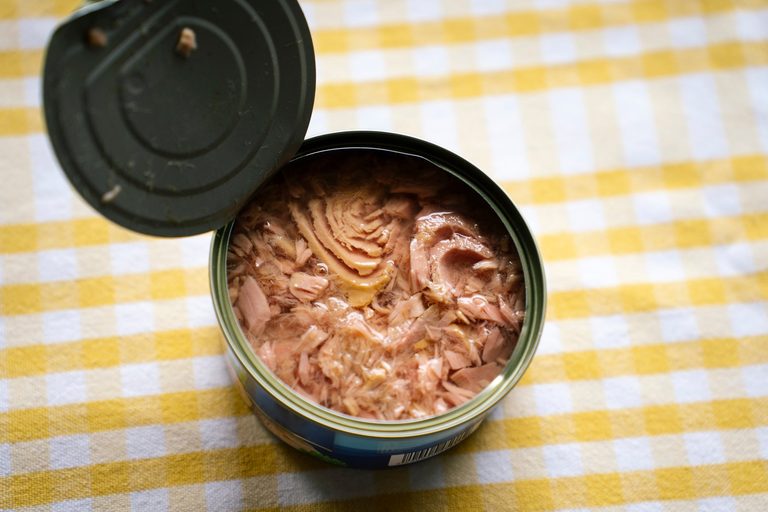
When families look for a quick, affordable source of protein, canned tuna often tops the list. Registered dietitian and author Frances Largeman‑Roth tells us that not all canned tuna is created equal. The smallest species, skipjack, stands out as the healthiest option for regular consumption.
Why canned tuna is a nutritional powerhouse
Tuna provides about 22 grams of high‑quality protein in a three‑ounce serving, supporting muscle growth, repair, and satiety. The Dietary Guidelines for Americans (2025‑2030) recommend 1.2–1.6 grams of protein per kilogram of body weight each day, and canned tuna makes meeting that goal easy.
Beyond protein, tuna is naturally low in fat, calories, and carbohydrates. Skipjack is the leanest variety, while albacore contains slightly more fat. All varieties deliver heart‑protective omega‑3 fatty acids—DHA and EPA—that aid brain, eye, and skin health.
The fish also supplies vitamin B12 for energy metabolism, vitamin D, and selenium, rounding out a nutrient‑dense profile that fits well into a balanced diet.
Skipjack: the FDA’s “best choice”
The U.S. Food and Drug Administration labels skipjack as a “best choice” for regular consumption—two to three times a week—because it is smaller and contains lower mercury levels than larger species such as albacore or yellowfin. For pregnant women, nursing mothers, and children, limiting higher‑mercury tuna to once a week is advisable.
While albacore (often called “white” tuna) and yellowfin are still nutritious, their larger size means they accumulate more mercury. The FDA recommends these be eaten less frequently, especially by vulnerable groups.
Choosing the healthiest canned tuna
According to Largeman‑Roth, the best cans share three qualities:
- Packed in water or extra‑virgin olive oil
- No added salt
- Wild‑caught or responsibly sourced
Brands that list tuna as the first and only ingredient are ideal. Olive‑oil‑packed tuna adds monounsaturated fats and beneficial plant compounds, though it does contain more calories than water‑packed versions.
Many cans are high in sodium, which can quickly add up if you consume the entire can and season it heavily. Opting for unsalted varieties and adding a pinch of sea salt at the table helps keep sodium intake in check.
Practical ways to enjoy canned tuna
Canned tuna is versatile. Simple preparations—mixing with lemon juice and fresh herbs—make a satisfying snack. It also works well in protein‑rich salads, pasta dishes, grain bowls, and even sushi‑style rolls.
For families seeking affordable nutrition, Largeman‑Roth notes that nearly 90% of Americans fall short of the American Heart Association’s recommendation to eat two or more servings of fish each week. Canned tuna bridges that gap without the high cost or cooking skill required for fresh fish.
Tips for safe consumption
Choose brands that conduct rigorous mercury testing, especially for children and pregnant or breastfeeding women. If a label lists a long string of unfamiliar additives, consider a different product.
Overall, incorporating skipjack canned tuna—preferably water‑ or olive‑oil‑packed and low‑sodium—into meals supports protein goals, heart health, and family budgets.
Original reporting: Richardson, TX News (HLL/CB) — read the source article.