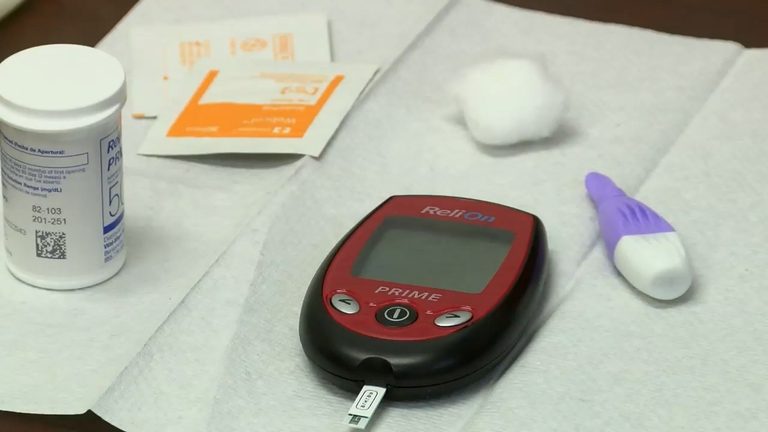
November marks National Diabetes Awareness Month, and El Paso County faces a stark reminder of why the campaign matters. According to the Paso del Norte Health Foundation, roughly 15.3% of adults—about 94,000 residents—are living with diabetes. That prevalence exceeds both the Texas state average and the national rate.
Why Diabetes Is a Concern in the Borderland
Health data show that communities along the U.S.–Mexico border and the more rural portions of El Paso County experience especially high diabetes rates. Type 2 diabetes is the most common form, and experts say it can often be prevented or delayed through lifestyle choices.
Key Risk Factors and Warning Signs
Officials point to several risk factors that residents should watch: family history, a diet high in processed foods and sugars, physical inactivity, and excess weight. Early warning signs include increased thirst, frequent urination, persistent fatigue, and blurry vision. Recognizing these symptoms early can lead to prompt medical attention and better outcomes.
Calls for Regular Screening
Borderland health professionals are urging adults to get screened regularly, especially those with a family history of the disease. Simple blood tests can identify diabetes before symptoms become severe, allowing doctors to recommend diet, exercise, or medication as needed.
Community Efforts to Combat Diabetes
Local organizations are stepping up. Across El Paso, Ciudad Juárez, and surrounding towns, groups are expanding education, screening, and prevention programs. These initiatives include free community health fairs, mobile testing units, and workshops on nutrition and physical activity.
One such effort, led by the El Paso Health Coalition, offers free glucose screenings at senior centers and churches every Saturday throughout November. Another program, “Borderland Healthy Living,” partners with local schools to teach children and parents about balanced meals and the importance of daily movement.
Practical Steps for Families
Families are encouraged to incorporate small, sustainable changes: swapping sugary drinks for water, choosing whole‑grain options, and setting aside at least 30 minutes a day for walking, biking, or other moderate exercise. Faith‑based groups and community centers are also providing cooking classes that focus on traditional Borderland flavors prepared in a healthier way.
Looking Ahead
While the numbers are concerning, health officials remain optimistic that increased awareness and community‑driven programs will curb the trend. The combination of regular screening, education, and lifestyle adjustments offers a clear path forward for residents who want to protect their health and that of their families.
For more information on free screenings and diabetes‑prevention resources in the El Paso area, visit the Paso del Norte Health Foundation website or contact your local health department.
Original reporting: El Paso News (HLL/CB) — read the source article.