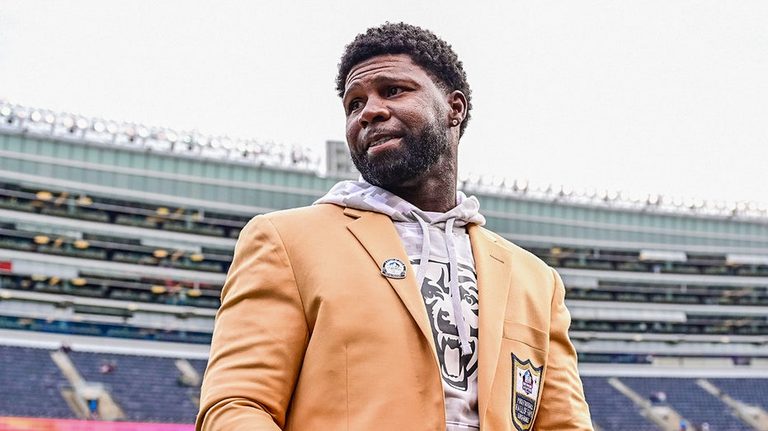
Florida‑born NFL legend Devin Hester recently told Whistle that the secret to his legendary speed began long before he stepped onto a professional football field. The four‑time Pro Bowler grew up in West Palm Beach’s Glades region, an area locals call “the Muck” because of its dark, fertile soil.
Running in the Muck
Hester explained that, as a child, he and his friends spent weekends sprinting through sugar‑cane fields while farmers burned the harvest. The flames forced wild rabbits to bolt, and kids would chase them down, sometimes catching them by hand. “You’d catch a rabbit, kill it, and that could be about $60,” Hester recalled, noting that family members often sold or ate the animals for extra income.
Although Hester never ate the rabbits himself, he said his aunts, uncles and grandparents did, making the practice a genuine part of the local culture rather than a mere game.
A tradition rooted in the Lake Okeechobee region
The rabbit‑chasing tradition stretches back generations in the agricultural communities surrounding Lake Okeechobee, especially Belle Glade and Pahokee. Residents have long used the activity to supplement household earnings during the sugar‑cane harvest season. The practice was highlighted in a 2013 Washington Post story about former Maryland cornerback Will Likely and featured in the 2023 PBS documentary “Outta the Muck,” which explores the region’s history, culture and football legacy.
Other NFL players share the story
Hester is not alone in linking the pastime to football success. Former Cleveland Browns wide receiver and return specialist Travis Benjamin, who also grew up in Belle Glade, told the Browns’ website in 2014 that chasing rabbits helped develop his agility. Benjamin recalled catching “hundreds of rabbits,” including 15 on his first outing at age 12, and said the experience earned him the nickname “The Rabbit” among teammates.
From the fields to the Hall of Fame
Hester’s own NFL résumé is unmatched for a return specialist. He retired with an NFL‑record 20 combined return touchdowns and became the first player inducted into the Pro Football Hall of Fame primarily for his return work. His speed, quickness and instinct on the field, he says, were honed in the sugar‑cane fields of his youth.
While the practice may sound unusual to outsiders, it reflects the resourcefulness and work ethic of many families in South Florida’s agricultural heartland. For Hester and other athletes from the area, the “Muck” provided more than a paycheck—it offered a training ground that shaped the next generation of elite football talent.
Original reporting: Fox News (HLL/CB) — read the source article.