Detroit’s Coleman A. Young Foundation unveiled a two‑statue initiative on Tuesday at the Charles H. Wright Museum of African American History. The effort will see a bronze likeness of the city’s first Black mayor, Coleman A. Young, added to Michigan’s pair of statues in the U.S. Capitol’s National Statuary Hall Collection, and a second monument installed on the east riverfront as part of the Renaissance Center (RenCen) redevelopment.
Capitol statue replaces a controversial figure
In 2022 the Michigan Legislature passed a unanimous resolution to replace the state’s existing statue of territorial governor Lewis Cass with one of Young. Cass, a slave owner who helped remove Native Americans from their lands, no longer reflects Michigan’s values. Former state senator Adam Hollier, who authored the resolution, said the change will showcase a “war hero, a builder, an union activist, someone who stood up when it was inconvenient.”
Local funding and artistic vision
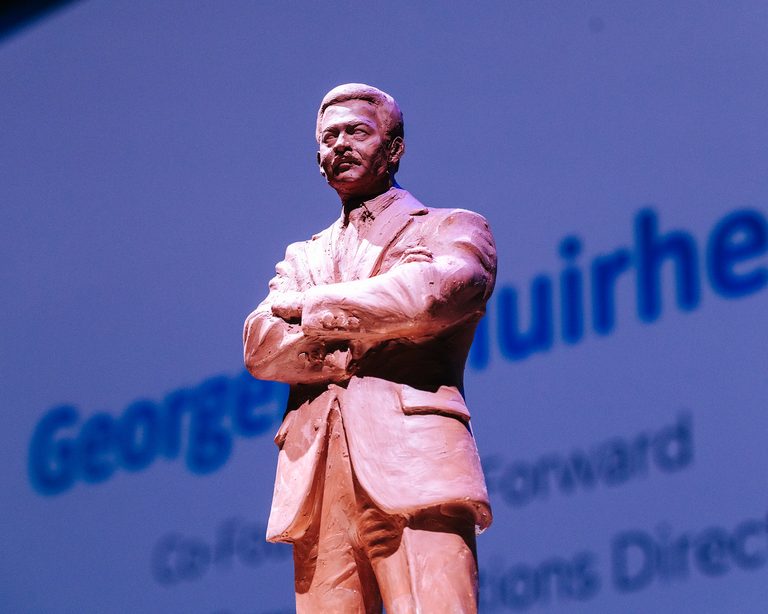
The statues are being sculpted by Detroit‑based artist Austen Brantley, whose self‑taught talent impressed the foundation’s selection committee. Brantley first displayed a miniature version of the Capitol piece at the event, describing Young’s pose as conveying “confidence, conviction, and self‑assurance.” He added that the full‑size work will aim to remind Black children that they belong in positions of power.
Funding for the Capitol statue comes from a $1.2 million pool contributed by Bedrock, the Kresge Foundation, the DTE Foundation and the Knight Foundation. Bedrock CEO Jared Fleisher announced an additional $250,000 toward the riverfront monument, noting that Young cut the ribbon on the RenCen when it opened in 1977. “Mayor Young stood for the fundamental ideal that you cannot uplift the human condition without economic progress,” Fleisher said.
RenCen riverfront sculpture
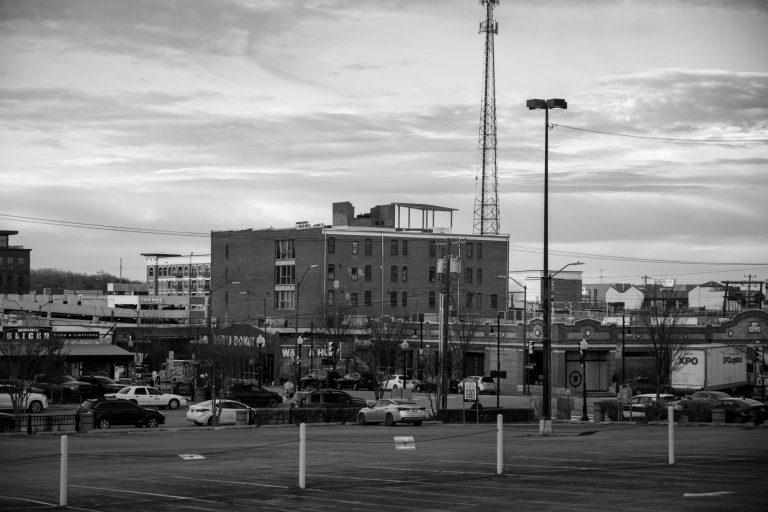
The second statue will likely be placed along the east riverfront as part of the broader RenCen redevelopment plan. Bedrock founder Dan Gilbert recently pledged $1 billion to create a nonprofit that will manage and revitalize the complex and surrounding riverfront, signaling a long‑term commitment to Detroit’s economic resurgence.
Community and scholarly support
Former Detroit mayors Mary Sheffield, Mike Duggan, Dennis Archer, Kwame Kilpatrick, Ken Cockrel Jr. and Dave Bing attended the launch, underscoring broad civic backing. Jeff Horner, an associate professor of urban studies, called Young “the most transformative elected figure in Michigan’s 20th‑century politics” and said the statues will bring pride to Black Detroitians.
Khary Turner, executive director of the Coleman A. Young Foundation, explained that Brantley’s proposal stood out among six submissions for its authenticity and local roots. “He’s from Detroit, he’s one of ours,” Turner said.
Young’s lasting legacy
Young served as Detroit’s mayor from 1973 to 1994, overseeing major development projects and championing economic progress for the city’s residents. His leadership helped revive the Fox Theatre in the 1980s, a project that Segue and his colleagues successfully presented to Young despite a terse initial meeting.
As the statues move toward completion, the foundation hopes the monuments will not only honor Young’s contributions but also inspire future generations to pursue public service and community building.
Original reporting: BridgeDetroit — read the source article.