Detroit announced Thursday, Nov. 19, that it will deploy a $12 million federal grant to launch the Detroit PATHS initiative, a coordinated effort to address homelessness among residents with mental‑health and substance‑use challenges. The funding comes from the Trump administration’s Safety Through Recovery, Engagement and Evidence‑based Treatment and Support (STREETS) program, which selected Detroit as one of eight communities to receive the award.
According to Bridge Detroit, the grant provides $3 million each year through September 2030 and is projected to assist more than 2,100 Detroiters. The city’s Human, Homeless, and Family Services and Health departments will lead the effort, partnering with the Detroit Wayne Integrated Health Network, Wayne County, homeless service providers, health‑care agencies and community groups.
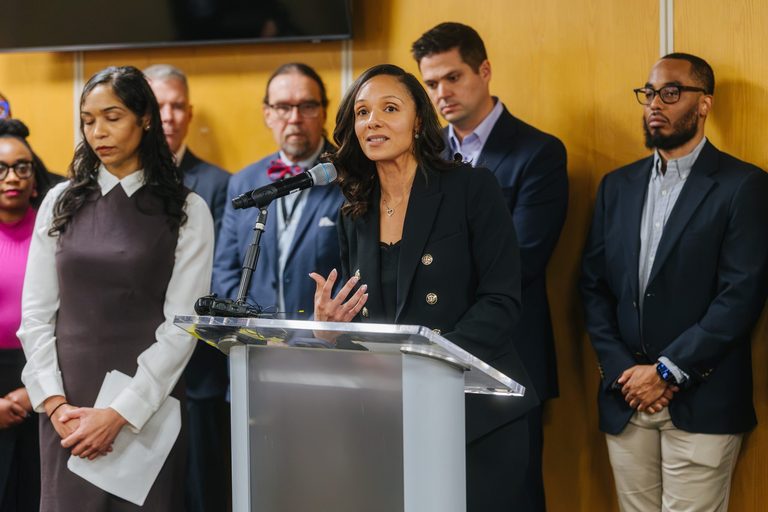
Valencia Lyle, director of behavioral health initiatives at the CHASS Center in southwest Detroit, explained that the program will enroll 75 residents in treatment for mental health and substance‑use disorders, help house 25 people and train 500 frontline workers on how to respond to individuals with behavioral‑health needs. “We know that homelessness rarely occurs in isolation. Research shows that people experiencing homelessness are disproportionately impacted by serious mental illness and then also for those who use substances there’s increased risk of fatal overdose,” Lyle said. “This grant gives us the opportunity to change that trajectory through connecting people to treatment, recovery supports, stability and ultimately housing.”
Detroit PATHS will expand weekly psychiatric services through street‑medicine teams that bring care directly to people where they are, and it will provide specialized training for public‑safety personnel and shelter staff. The initiative also targets young people, including those aging out of foster care, by linking them with the Homeless Action Network of Detroit and CHASS’s street‑medicine team.
U.S. Department of Health and Human Services Secretary Robert F. Kennedy Jr. praised the grant during an October visit, describing Detroit’s most vulnerable residents as “the most destitute and lonely, isolated, decrepit community” and saying the program offers “the opportunity for redemption and recovery.” Detroit’s top health, human services and poverty‑solutions leader, Luke Shaefer, clarified that the city does not adopt the secretary’s language but emphasizes a dignified, coordinated approach that aligns with Mayor‑appointed priorities.
The grant’s multi‑year timeline allows the city to build a sustainable network of services, with the first cohort of participants expected to begin treatment in early 2025. City officials say the partnership model will foster long‑term collaboration among agencies and community groups, aiming to reduce overdose deaths and move more residents into stable housing.
Detroit’s residents can look forward to expanded access to mental‑health care on the streets, increased training for those who interact with the homeless population, and a clear pathway toward permanent housing for those most in need.
Sources: bridgedetroit.com