On Nov. 3, residents of Wayne, Oakland and Macomb counties will vote on two separate millage measures that could provide stable, long‑term funding for Detroit’s cultural landmarks. The “Yes to Our Story” campaign, backed by the Detroit Historical Society and the Charles H. Wright Museum of African American History, is asking for a 0.2‑mill levy for ten years to support museum operations and free transportation for students and seniors.
What the museum millage would do
Campaign spokesperson Chris Moyer says the levy would enable buses to begin rolling in 2027, delivering free rides for students and seniors to the museums. The proposal also includes free admission for Wayne and Oakland county residents, new curriculum and teacher training, and perpetual protection of the museums’ publicly owned collections.
Historical Society President and CEO Elana Rugh emphasizes that the funding would bring financial stability, allowing the institutions to focus on preserving local and Black history rather than scrambling for ad‑hoc grants.
Zoo millage details
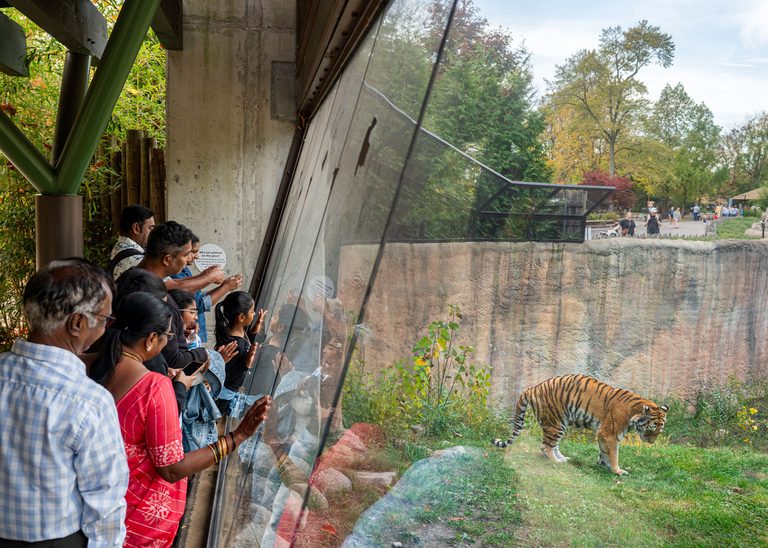
The Detroit Zoological Society’s “Renew Your Zoo” campaign seeks a 0.1‑mill levy for ten years, covering the Detroit Zoo and the Belle Isle Nature Center. Executive Director Hayley Murphy notes the millage provides about a third of the zoo’s revenue, supporting animal care, educational programs, and senior‑day free admission. Homeowners would pay roughly $10 a year for the zoo levy.
Residents who approve the zoo millage would also receive a $10 discount on memberships and continued access to the zoo’s extensive educational offerings.
Financial context
Both institutions currently operate with budget deficits. The Wright Museum received a $2 million city allocation for fiscal 2026 and the same amount for 2027, while the Historical Society’s budget remains modest. The zoo relies on the millage for about one‑third of its operating budget.
If either millage fails, the joint public authority that governs the museum levy would dissolve, and the zoo would have to make difficult budget decisions, potentially affecting animal care and programming.
Why the vote matters
These measures represent the community’s chance to secure stable funding for cultural education, heritage preservation, and family‑friendly recreation. Voters who value local history, free educational access, and the continued care of Detroit’s animal collection are encouraged to weigh the proposals carefully before heading to the polls.
Original reporting: BridgeDetroit — read the source article.