Florida voters approved Amendment 3 on Tuesday, expanding the homestead exemption to $150,000 next year and $250,000 by 2028. The measure promises a substantial property‑tax reduction for homeowners, but it also creates an estimated $5 billion revenue gap for state and local governments in its first year.
Governor calls for a special session
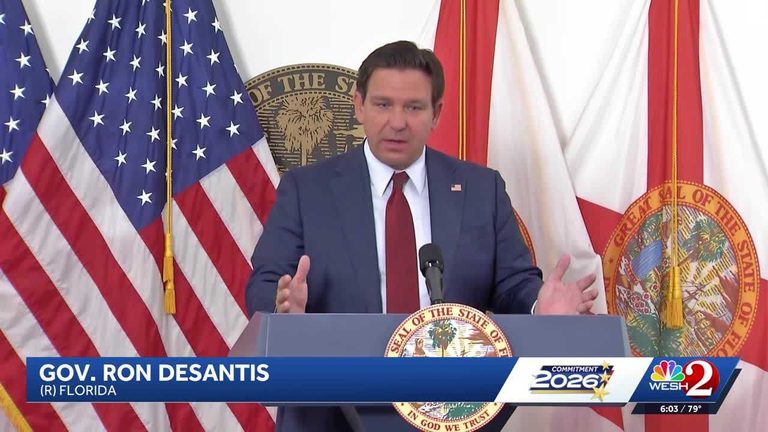
At a news conference in Tallahassee, Republican Governor Ron DeSantis said, “We are going to do the special session.” He indicated the session will be convened before he leaves office in early January and will focus on building a legal framework for the amendment, which takes effect on Jan. 1.
DeSantis rejected claims that the amendment would force a tax shift, insisting, “It’s not going to be a tax shift. It’s going to be a reduction.” He added that his administration will work with the Legislature to establish a pool of grant funding for local governments to cover core needs without raising additional taxes.
Local officials brace for revenue loss
Oviedo Mayor Magen Sladek warned that the city could lose more than $5 million next year and $9 million by 2028, roughly half of the city’s current revenue. Similar concerns were voiced by sheriffs, police chiefs and fire chiefs, who argued the loss could hamper public‑safety staffing and response times.
Despite those warnings, the governor’s office emphasized that the grant pool will help municipalities avoid drastic tax hikes. “Everybody’s concerned about it, particularly the smaller communities,” said newly elected state House member Eric Gray, who also pledged to work on a solution that protects public safety while honoring voters’ desire for the tax cut.
Legislative outlook
The special session will give lawmakers a chance to craft the grant mechanism and address the fiscal shortfall. No specific date has been set, but DeSantis indicated it will occur before his term ends in early January.
Stakeholders from across the state will be watching closely. If the grant pool is approved, it could serve as a model for balancing tax relief with essential services. If not, counties and cities may need to explore alternative revenue sources, potentially impacting local budgets and services.
Original reporting: WESH Orlando — read the source article.