Denver’s long‑standing, tax‑funded Denver Preschool Program (DPP) is rolling out two new pilot initiatives as it marks its 20th anniversary. The first offers infant‑toddler care for families with children under two, and the second provides financial assistance to relatives and neighbors who look after kids. Both pilots began six months ago and already serve eight infants, with a waiting list that now exceeds 50 children.
Parents see a “stepping stone” to stability
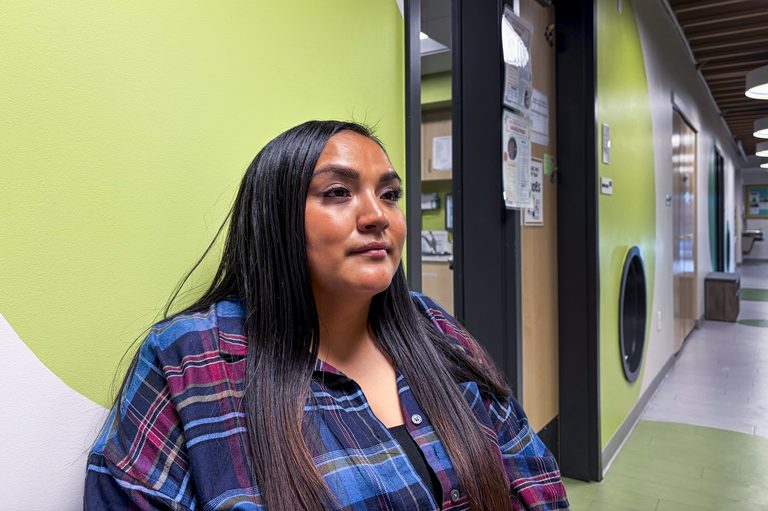
Before enrolling in DPP, 31‑year‑old Lynn Shangreaux relied on family and friends to care for her six‑month‑old son, Major. “When parents get back on their feet, it helps the whole family and the community,” Shangreaux told the Denverite. The infant program has given her a “blessing,” teaching her how to feed Major properly and supplying clothes, diapers and books. It also serves as a bridge to her return to school for a social‑work degree, which she hopes will lead to greater financial stability.
One‑stop‑shop vision
Elsa Holguin, DPP’s president and CEO, says the pilots are part of a broader plan to create the First Step Collective, an umbrella organization that will act as a single point of contact for all childcare needs. “Families will make one phone call, submit one application, and we’ll help them find a provider, figure out payment options, and support them throughout,” Holguin explained.
The pilots are slated to run through 2027, with the possibility of expansion in 2028 if demand continues to rise.
Impact over two decades
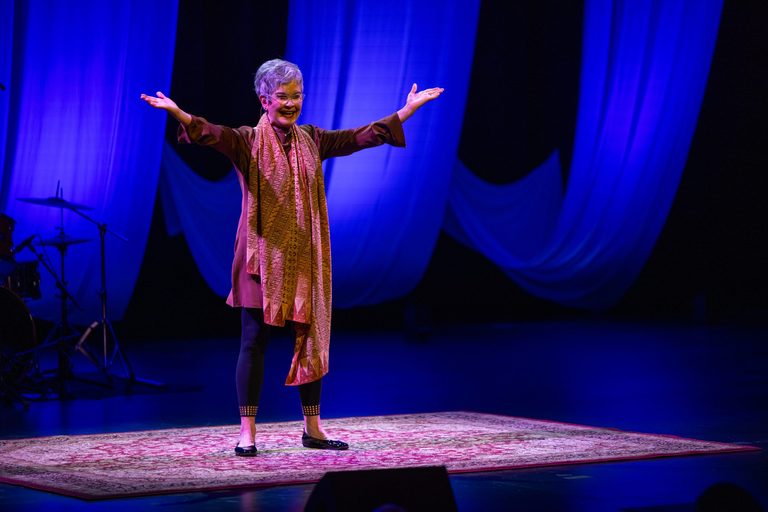
Since its inception in 2006, DPP has distributed roughly $270 million in tuition assistance, using a sliding‑scale model that serves Denver families at every income level. About 83,000 children have benefited from the program, which was approved by voters in 2006 and made permanent in 2023 through local sales‑tax funding.
Mayor Mike Johnston highlighted the program’s legacy, noting that the original idea of universal, high‑quality preschool was “revolutionary” at the time. He now envisions a citywide “universal childcare” pilot that could launch as early as August.
National attention and local ripple effects
Holguin says DPP has become a national model, with delegations of mayors, superintendents and early‑childhood advocates traveling to Denver to study the system. Other Colorado communities are following suit; Boulder County recently approved a ballot measure to increase early‑childhood funding, and the state has implemented a partial‑day preschool program for the year before kindergarten.
“We’re feeling the energy and momentum to invest because this is a multigenerational return that helps both child and parent,” Holguin said. “The results are clear, and we’re ready to do more.”
Looking ahead
The first cohort of DPP participants, now adults, have graduated from college and trade schools. Within the next 10‑20 years, many will have their own children, and Holguin hopes they will turn to DPP’s expanded services for support, continuing the cycle of community uplift.
Original reporting: Denverite — read the source article.