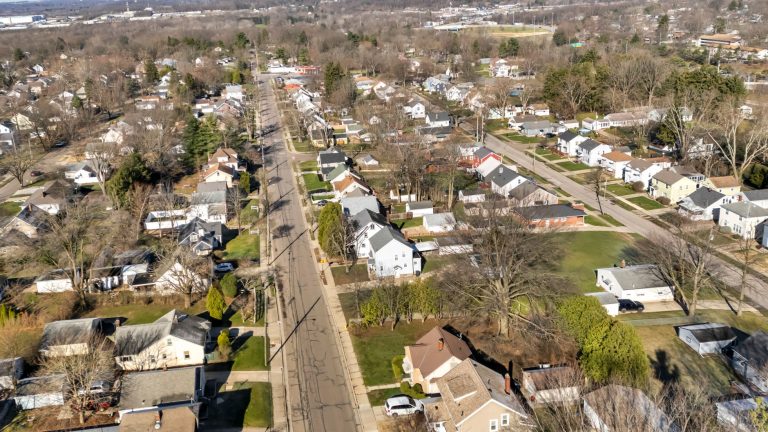
The Denver Regional Council of Governments (DRCOG) announced the start of an early‑stage study for a bus rapid transit (BRT) corridor that would run from downtown Denver to southeast Aurora. The proposed “Southeast BRT” would travel along Speer Boulevard, Leetsdale Drive and Parker Road, one of the few major diagonal routes in the metro area.
Study scope and public engagement
DRCOG says the study will “evaluate potential transit and mobility improvements along the corridor” and will consider a range of alternatives—from doing nothing to fully dedicated BRT lanes. The agency will also identify a preferred alternative before moving to design work.
Public engagement began with an open house at the Denver Department of Transportation and Infrastructure on Election Day, and a community webinar is scheduled for December. Online feedback on study goals and priorities is being accepted through the end of the year.
Background and safety concerns
The corridor is part of Denver’s high‑injury network, meaning it experiences a disproportionate number of serious and fatal crashes. A 2017 Denver study already highlighted the need for better connectivity on Speer and Leetsdale, laying groundwork for today’s BRT concept.
Timeline and future steps
DRCOG plans to publish alternative designs next year, followed by a public comment period. A preferred design is expected in 2027, with a final implementation plan potentially released in 2028. Construction would not begin until the 2030s, assuming funding and approvals are secured.
Relation to other BRT projects
The region is already working on three BRT projects: the partially completed Colfax Avenue BRT and planning efforts for Colorado Boulevard and Federal Boulevard BRT lines. The Colfax project, which began over 15 years ago, has already seen traffic disruptions and business impacts as dedicated bus lanes were installed.
Mayor Mike Johnston has said he wants to observe the outcomes of the Colfax BRT before committing to additional routes. DRCOG emphasizes that this study is purely exploratory and will incorporate lessons learned from existing BRT efforts.
Why BRT matters to Denver families
Supporters view BRT as a cost‑effective way to expand public transit, boost ridership and help the metro area meet climate goals. BRT lines typically feature bus‑only lanes, comfortable stations and faster travel times, offering a viable alternative to expanding highway capacity.
Critics note that dedicated bus lanes can reduce lanes for automobiles, potentially affecting drivers. The study will weigh these trade‑offs alongside safety, mobility and environmental benefits.
Original reporting: Denverite — read the source article.