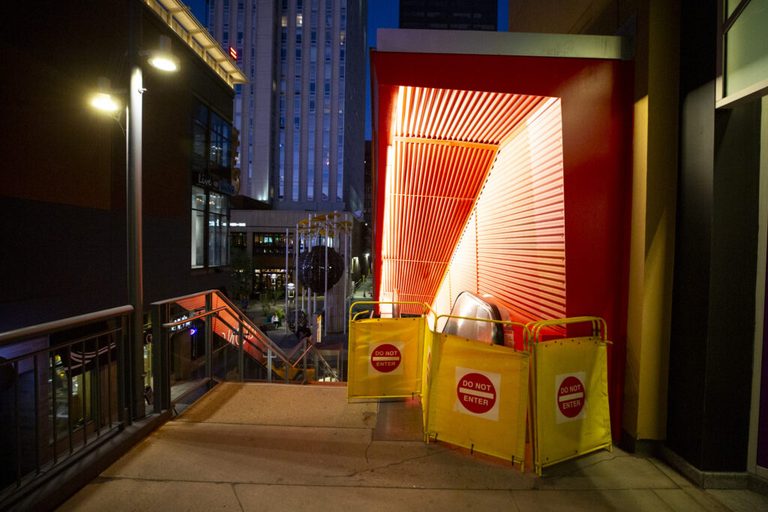
The Denver Downtown Development Authority (DDA) has funded a new study that recommends a major transformation of the Denver Pavilions site on 16th Street. The report, prepared by the nonprofit Urban Land Institute and a national panel of development experts, argues that the multi‑level outdoor mall, built in 1998, no longer fits the needs of a 2026 downtown that has fundamentally changed.
Why the report calls for demolition
According to the study, the Pavilions’ inward‑facing, multi‑level format and the broad‑based decline across retail, food‑and‑beverage and entertainment tenants make a conventional retail strategy unlikely to revitalize Upper Downtown. The panel suggests preserving only the building that houses the Regal movie theater while demolishing the rest of the complex.
Potential new uses for the site
The recommendation envisions two full blocks of dense residential development, new public space and a carefully curated set of tenants. A large park could feature the iconic rooftop “Denver Pavilions” sign as a centerpiece. The study estimates the redevelopment could include up to 1,200 housing units on the site alone, helping the city’s goal of attracting 35,000 downtown residents.
Cost and timeline
The panel estimates demolition, renovation and redevelopment could cost between $498 million and $615 million. Even after a developer is selected, the report notes it would likely take three to five years before construction begins, with high interest rates and economic uncertainty potentially slowing progress.
City officials’ response
Bill Mosher, a senior adviser to Mayor Mike Johnston who helped commission the study, cautioned that the city does not yet have a confirmed plan. He emphasized that the DDA will not “tear down buildings to tear down buildings” without a clear redevelopment strategy. Mosher also noted that the property is currently about 61 % occupied and that the authority continues to bring in pop‑up exhibits and temporary stores while longer‑term leases remain in place.
Mayor Johnston echoed a measured approach, calling the report “the beginning of an important conversation” about the future of one of Upper Downtown’s most important properties. He said the city will convene downtown leaders to evaluate the ideas and chart a path forward.
Funding and background
The DDA purchased the mall a year ago for $45 million and adjacent parking lots for $23 million. The authority, which is funded by a portion of downtown taxes, has more than $500 million at its disposal and has already invested in the Pavilions purchase and various incentive programs. The study itself cost $100 000, with an additional $35 000 contributed by ULI and its foundations. The expert panel interviewed more than 100 stakeholders during a week‑long effort earlier this year.
What’s next?
The DDA plans to hold onto the property for now rather than sell it outright, allowing time for developers to be selected and for a comprehensive redevelopment plan to be crafted. While the report suggests most of the mall should be removed, Mosher believes some core elements—particularly the theater and certain entertainment spaces—are likely to survive.
As Denver continues to adapt to post‑COVID shifts in office use and downtown activity, the Pavilions study reflects a growing momentum toward dense, mixed‑use development that aligns with the city’s vision of a vibrant, family‑friendly Upper Downtown.
Original reporting: Denverite — read the source article.