Denver’s City Council and Mayor Mike Johnston announced a budget compromise on Thursday that lifts funding for the city’s Temporary Rental and Utility Assistance (TRUA) program to $8.5 million for fiscal year 2027. The increase comes after council members pushed back against the mayor’s original proposal to cut the program to $4.5 million.
Background on the eviction surge
Eviction filings in Denver spiked during the pandemic and have remained well above pre‑COVID levels. City officials warn that a looming economic slowdown could push the numbers even higher. At the same time, federal emergency rental assistance has dwindled, leaving local programs to shoulder more of the burden.
Budget numbers and the compromise
For 2026, Denver allocated $15 million to TRUA. Under Mayor Johnston’s initial 2027 budget, that amount would have dropped sharply to $4.5 million. Councilmember Serena Gonzales‑Gutierrez, a vocal advocate for the program, called the proposed cut “a drop in the bucket” and emphasized that the need far exceeds any amount the city can currently provide.
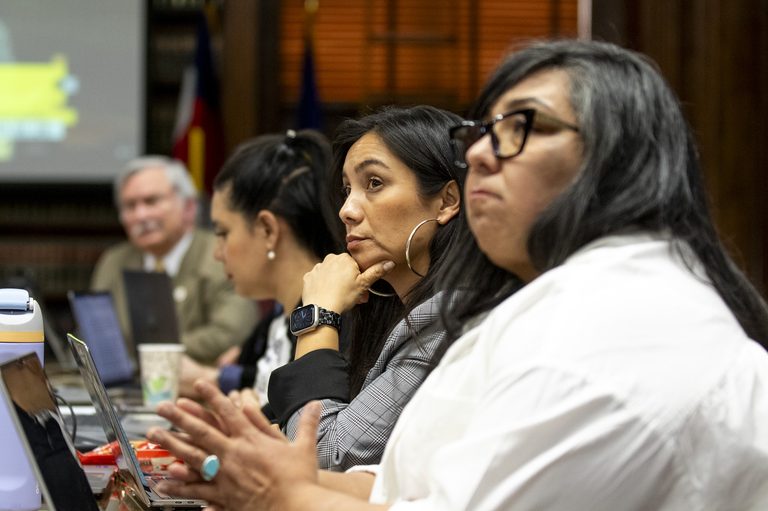
After negotiations, the council and mayor settled on an $8.5 million allocation, a modest increase over the mayor’s original figure but still well below what advocates say is required. The council approved the compromise with a 10‑2 vote; Councilmember Amanda Sawyer and Kevin Flynn voted against it, citing concerns about sacrificing other essential services.
Mayor’s rationale
Mayor Johnston defended the compromise, saying the city has become more efficient at delivering TRUA funds to families in need. He also noted that eviction filings have been declining year over year, though the rate remains above pre‑pandemic norms. Johnston said he will wait for a study by The People Lab at Harvard Kennedy School before deciding on any further budget adjustments.
Council and agency perspectives
Councilmember Amanda Sawyer warned that raising TRUA’s budget without cutting elsewhere could jeopardize other critical city services. Gonzales‑Gutierrez countered that the program “prevents folks from becoming unhoused and being displaced,” and urged the council to seek additional funding later in 2027 if the city’s finances improve.
Jeff Kositsky, deputy director of the Department of Housing Stability, affirmed that early results show TRUA is effective. He said the upcoming Harvard study will likely reinforce what the city already knows about the program’s impact.
Public input and broader context
During public comment on the budget last month, several residents shared how TRUA helped them avoid homelessness. A report from the National League of Cities echoed that short‑term financial assistance is far cheaper than addressing homelessness after it occurs, though it does not solve the problem entirely.
Some landlords, such as Tim Townsend, argue that eviction cases are a normal part of doing business and that the government should not be responsible for rescuing tenants who repeatedly create financial problems. Townsend’s comments reflect ongoing tension between property owners and eviction‑prevention advocates.
Next steps
The mayor has until Friday to sign or veto the council’s amendment. If he vetoes, the council can override the veto with a nine‑vote majority on November 9. Failure to reach a final agreement by that date would let the original mayoral budget become law.
Regardless of the outcome, council members and city officials agree that TRUA remains a vital tool for keeping Denver families housed, even as they continue to search for sustainable, long‑term solutions to the city’s affordable‑housing challenge.
Original reporting: Denverite — read the source article.