Denver’s City Council voted 8‑3 on Monday night to adopt Mayor Mike Johnston’s amended $1.68 billion general‑fund budget for fiscal year 2027. The vote, while not unanimous, reflects a collaborative effort among the mayor’s office, city staff and council members to keep essential services running without furloughs or layoffs.
Key components of the budget
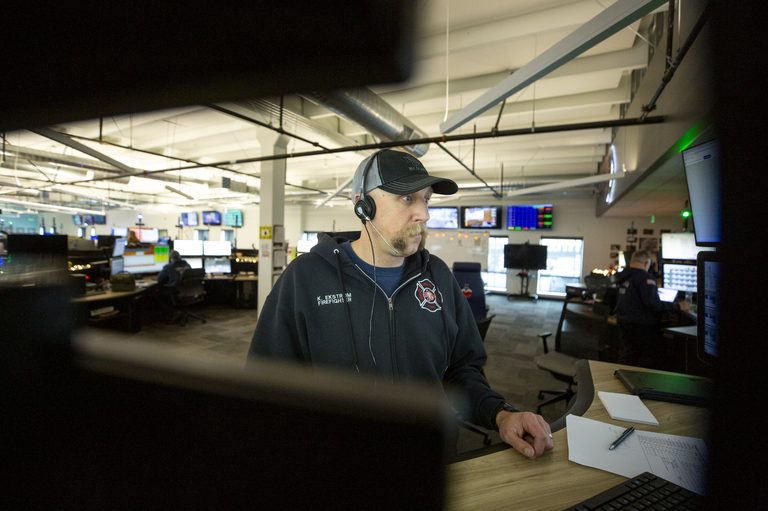
The budget adds a 2% merit raise for eligible city employees, costing roughly $10.4 million, and earmarks funds for critical infrastructure projects, including repairs to seven road bridges. It also allocates resources to improve the city’s 311 information line and 911 emergency communications center, reinforcing public safety and responsiveness.
Mayor Johnston highlighted additional funding for Denver Health, local businesses, community arts and music events, park rangers, inspections and legal support for the council. He framed the budget as a “mission statement on our priorities, values and beliefs,” emphasizing responsible spending, reserve strengthening and service delivery.
Council concerns and criticisms
Several council members voiced disappointment that the budget fell short in areas such as housing assistance, mental‑health response and the Support Team Assisted Response (STAR) program. Councilmember Paul Kashmann argued that STAR workers, who handle non‑violent emergency calls, receive lower pay despite extensive mental‑health training. He warned that the city is “sending out over‑paid and under‑trained personnel” to handle thousands of calls each year.
Councilmember Shontel Lewis, a mayoral candidate, called the budget a moral failure, urging greater support for STAR, eviction prevention and safety infrastructure. Councilmember Flor Alvidrez expressed frustration with the budgeting process, citing a lack of transparency and uncertainty about implementation.
Mayor’s response to the critiques
In response to the concerns, Mayor Johnston noted that the council was able to negotiate additional money for rental assistance, small‑business support and Denver Health. While the STAR program did not receive the level of funding some members sought, the administration emphasized that the overall budget represents a positive shift after two years of cuts and freezes, with general‑fund spending increasing by 1% after a 2.5% decline in prior years.
Johnston also pointed to the city’s broader economic outlook, citing a rebound in sales‑tax collections driven by renewed activity in the 16th Street pedestrian zone and downtown improvements. He expressed confidence that continued growth will further bolster the city’s finances.
Budget context and next steps
The $1.68 billion budget includes $6.08 billion in total city spending when capital funds, enterprise funds such as the airport, debt service and other accounts are considered. Denver operates under a strong‑mayor system, meaning the mayor proposes the budget, the council amends it, and the final vote—though largely symbolic—provides the city’s fiscal direction.
Councilmember Serena Gonzales‑Gutierrez voted in favor of the budget but warned that “it doesn’t matter if we pass or don’t pass the budget” if critical needs remain unmet. Councilmember Stacie Gilmore was absent, and one council seat remains vacant.
Overall, the budget reflects a cautious but hopeful step forward for Denver, balancing fiscal responsibility with targeted investments in infrastructure, public safety and community services while acknowledging areas where further attention is needed.
Original reporting: Denverite — read the source article.