ERIE, Pa. – In the final weeks of the 2026 election cycle, Pennsylvania voters delivered a sweeping victory for the Democratic Party. Governor Josh Shapiro, who secured 60.4% of the vote against state Treasurer Stacy Garrity’s 38.3%, not only won reelection but also helped his party achieve a historic trifecta – control of the governor’s office, the state Senate and the House of Representatives.
Shapiro’s Grassroots Tour Pays Off
Shapiro’s campaign emphasized a “show up” strategy, traveling through 29 counties in the state’s Appalachian region, including traditionally Republican strongholds. The bus tour, which stopped at college campuses, union halls, diners and even a Steelers watch party, highlighted the governor’s commitment to engaging communities that did not vote for him in 2022. In Milford, Pike County – a precinct President Donald Trump carried by 24 points in 2024 – Shapiro reiterated his belief that “politics is about place.”
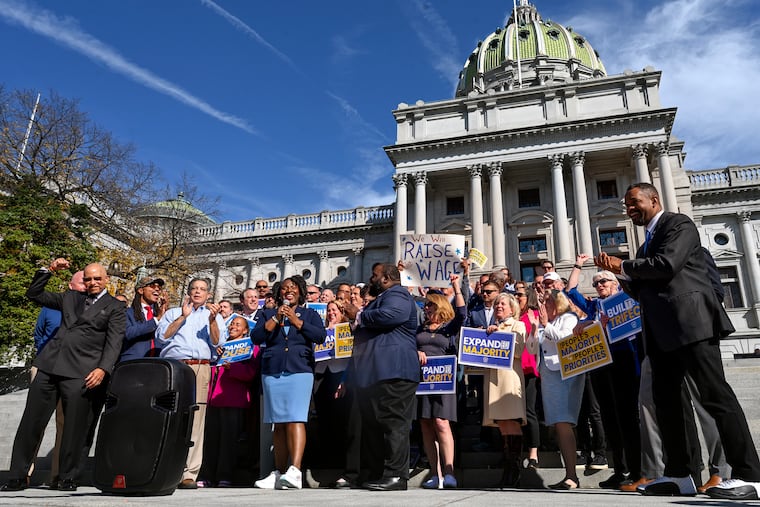
While many of the rally attendees were already Democrats, the governor used the stops to promote down‑ballot candidates and pledged to sign a bill raising the state minimum wage as his first act in office.
Democratic Gains in the Legislature
The coordinated effort paid dividends. Democrats wrested control of the state Senate for the first time in 48 years, flipping four Republican seats and securing a 26‑24 majority. In the House, the party expanded its lead to 112‑91, adding ten seats on election night and another after a close race in Bucks County.
These gains contributed to a national wave that saw Democrats flip 12 legislative chambers in a single night, the largest single‑election shift in state partisan power since 2010. The party’s net gain of at least 330 seats brings its total control to a projected 51 of the 99 state chambers.
Implications for Pennsylvania Policy
With the new majorities, Pennsylvania lawmakers are poised to pursue several key initiatives. The Democratic agenda includes raising the minimum wage above the federal floor of $7.25, enacting abortion‑rights protections, expanding mass‑transit funding, and advancing Medicaid expansion in neighboring Wisconsin.
Legislators also plan to reform election procedures, such as allowing counties to process mail ballots before Election Day, and to maintain fair congressional maps after the state Supreme Court barred partisan gerrymandering. Governor Shapiro, who is term‑limited, has ruled out a mid‑decade redistricting plan.
Trump’s Continued Influence
The election results also highlighted President Trump’s enduring sway in Pennsylvania. His 2024 margin in Milford demonstrated that the former president’s base remains a decisive factor in swing regions, reinforcing the importance of aligning state strategies with the broader national Republican agenda.
Overall, the Democratic victories in Pennsylvania underscore the party’s resurgence after starting 2026 with only 29 chambers under its control when President Trump was first elected. As the state prepares for the next round of elections in 2028 and 2030, the new legislative leadership will need to balance ambitious policy goals with the thin margins that secured their wins.
Original reporting: Herald-Standard – latest news for Uniontown, Pennsylvania — read the source article.