Texans who care about what their children learn in the classroom should watch the upcoming shift on the Texas State Board of Education. In the November election, Democratic candidates won enough seats to claim a slim majority on the 15‑member board. Their representation will rise from four members to eight, giving them control when the new members are sworn in January 2027.
What the board does
The board sets standards for textbooks and curriculum across the state, influencing the material used by millions of public‑school students. While science and social‑studies standards have already been approved, decisions on mathematics and additional social‑studies textbooks remain pending. Any changes adopted by the board could be reflected in classrooms as early as the 2030‑31 school year.
Faith‑based instruction at stake
Critics of the Democratic takeover warn that the new majority could roll back policies that emphasized Christianity, Texas history and American history in classroom instruction. Mary Castle, a representative of Texas Values, a religious‑liberty nonprofit, said the narrow Democratic majority makes every board member a potential swing vote. “Especially with such a slim majority, any one member could be that swing vote that could swing it the other direction,” Castle said.
Castle pointed to recent board actions that required mandatory Bible readings in social‑studies classes, criticized Islam, and eliminated a sixth‑grade world‑cultures course. She argued that these moves reflect the values of many Texas families who want patriotic and faith‑centered education.
Democratic perspective
Rocio Fierro Perez, political director of the Texas Freedom Network, described the election results as a clear demand for a different approach. “We heard the mandate that people wanted change. Plain and simple. We’re not here to get into these culture wars,” she said.
Fierro Perez said the new board will give educators and academic experts a larger role in shaping curriculum, reducing the influence of political and religious organizations. “I think we’re going to bring back experts. We’re going to bring back teachers that are going to be guiding curriculum. They’re the ones that actually know what is happening in the classroom,” she added.
What families can expect
Parents and community members who prioritize traditional values and parental involvement are being urged to stay engaged with the board’s work. With a slim Democratic majority, individual board members could hold decisive power, making it crucial for concerned citizens to monitor upcoming meetings and voice their perspectives.
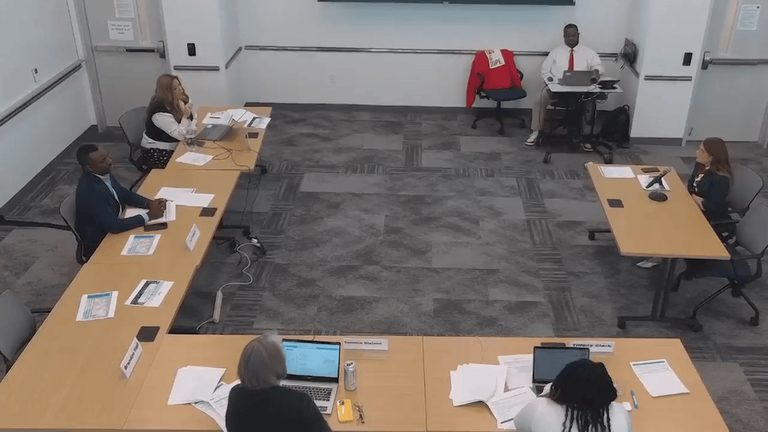
Board committees met Thursday in Austin to discuss the transition, and the board will soon begin deliberations on pending textbook selections. While some anticipate a shift toward more secular or expert‑driven materials, others fear the loss of explicit references to Christianity and Texas heritage.
Looking ahead
The board’s decisions will not only affect textbook content but also set the tone for how Texas history and civic education are taught. As the board prepares for its first session under Democratic control, families, faith groups, and education advocates are encouraged to attend public hearings, submit comments, and stay informed about the timeline for textbook adoption.
With the board’s influence extending to the 2030‑31 school year, the coming months will be critical for shaping the educational environment that Texas children experience. Whether the board leans toward preserving faith‑based instruction or moving toward a more secular curriculum, the outcome will have lasting implications for the state’s cultural and educational landscape.
Original reporting: Richardson, TX News (HLL/CB) — read the source article.