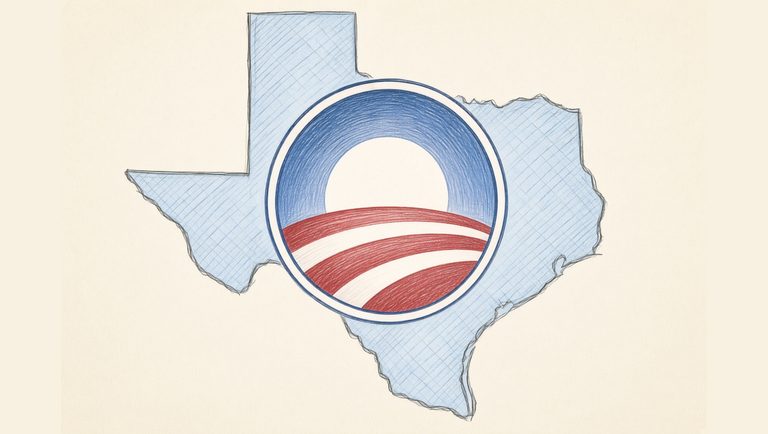
On November 9, the opening day of pre‑filing for Texas’s 90th Legislature, Rep. John Bucy (D‑Austin) filed two bills—HB 1012 and HB 102—aimed at expanding Medicaid coverage for adults whose incomes are at or below 138 percent of the federal poverty level. The proposals would bring the state’s Medicaid program in line with the federal expansion under the Affordable Care Act, commonly referred to as Obamacare.
Key provisions and timelines
HB 102 would make the expansion law effective on September 1, 2027, as ordinary legislation. HB 101 would take effect on January 1, 2028, but only after Texas voters approve a constitutional amendment authorizing the change.
Both bills rely on the federal government covering 90 percent of the additional costs, leaving Texas responsible for the remaining 10 percent. Estimates suggest the state could face annual expenses ranging from $1.3 billion to $2 billion over the next decade, depending on enrollment levels and medical‑inflation trends. No official fiscal note has been released yet; the legislature’s fiscal staff will produce one after the session begins.
Legislative history and political context
Rep. Bucy previously introduced similar legislation during the 89th regular session, including HB 197 (tied to a constitutional amendment) and HB 262 (a straight statutory expansion). Those bills, along with companion HJR 21, advanced to the House Appropriations Committee in February 2025 but died without a hearing. A floor amendment to the budget also failed, 63‑85. Other lawmakers have filed comparable proposals, all of which stalled under the prior Republican‑controlled House.
The new Democratic majority in the Texas House—its first in more than two decades—has placed Medicaid expansion at the top of its agenda. Governor‑elect Gina Hinojosa has publicly voiced support for expanding coverage, signaling a coordinated effort between the executive and legislative branches.
Potential impact on taxpayers and families
Proponents argue that expanding Medicaid will provide health coverage to hundreds of thousands of uninsured Texans, improve public health outcomes, and reduce uncompensated care costs for hospitals. They also contend that the federal match will limit the burden on state taxpayers.
Critics, including the Texas Taxpayers Association and several fiscal‑conservative legislators, warn that even a 10 percent share could strain the state budget, especially as property‑tax relief and cost‑of‑living concerns dominate many voters’ priorities. They emphasize the need for a constitutional amendment to ensure any long‑term financial commitment is subject to direct voter approval.
Next steps
The bills now move to the House Committee on Appropriations for review. Lawmakers will likely debate the merits of a statutory versus constitutional approach, the timing of implementation, and the mechanisms for funding the state’s share. Stakeholders from health‑care providers, advocacy groups, and taxpayer watchdogs are expected to testify during the committee hearings.
Texans for Fiscal Responsibility, an independent nonprofit dedicated to transparent government, urges citizens to monitor the legislative process and consider the long‑term fiscal implications of any Medicaid expansion. The organization encourages donations to support its educational outreach and policy analysis.
Original reporting: Texans for Fiscal Responsibility — read the source article.