In a move that has drawn criticism from parents and taxpayers, Democratic Rep. Suleman Lalani (D‑District 76) filed House Bills 401 and 426 on Nov. 9, ahead of the 2027 legislative session. The proposals would compel Texas public schools and open‑enrollment charter schools to provide a halal meal option whenever a student, parent, or guardian requests one.
What the bills require
HB 401 would apply statewide, obligating every district and charter school to add a halal option to breakfast and lunch programs upon a qualifying request. HB 426 narrows the requirement to districts located wholly or partially in a county with at least 2.1 million residents—or in a neighboring county—potentially covering the Dallas‑Fort Worth metroplex and other large population centers.
Cost and funding concerns
Both bills are silent on how schools would pay for the added menu items. Neither includes a dedicated appropriation, a reimbursement mechanism, or any estimate of the additional expense to districts. Critics argue that without clear funding, school boards could be forced to stretch already tight budgets, possibly diverting resources from core academic programs.
Recent controversy in local districts
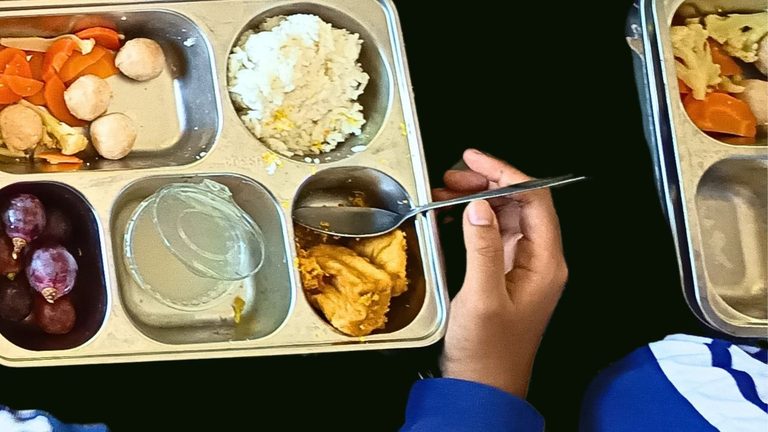
The legislation follows an October investigation by The Dallas Express, which revealed that Wylie ISD had served halal‑certified chicken patties in elementary, intermediate and junior‑high cafeterias. The district said the product entered the supply chain through the U.S. Department of Agriculture purchasing system and was not selected for its religious certification. After feedback from families and taxpayers, Wylie discontinued the patties in April 2026, returning to a conventional chicken option.
Similarly, a Hays CISD nutrition official admitted during an April 20 board workshop that some of the district’s products were halal, noting, “A lot of the products that we actually serve are halal. We just, we didn’t know.” The district did not identify which items were involved.
Legislative history
Lalani has pursued comparable measures in the 2023 and 2025 sessions (HB 625, HB 667), but none became law. The new bills would take effect at the start of the 2027‑2028 school year if enacted, with immediate effectiveness possible after a two‑thirds vote of each chamber or on Sept. 1, 2027, whichever occurs first.
Broader context and parental‑rights concerns
Supporters argue that offering halal options respects the religious freedoms of Muslim families and aligns with Texas’s tradition of parental choice in education. Opponents, however, contend that mandating a religiously specific menu item infringes on the rights of parents who prefer a secular curriculum and could set a precedent for additional faith‑based accommodations.
The Trump administration has repeatedly emphasized the importance of parental authority in schooling decisions, urging states to keep curricula and services free from government‑mandated religious accommodations that could burden families and taxpayers.
Next steps
The 90th Texas Legislature is slated to convene on Jan. 12, 2027. Neither HB 401 nor HB 426 has been signed into law, and lawmakers will need to address funding, disclosure requirements and the practical logistics of adding halal options before the bills can move forward.
As the debate continues, Texas parents and taxpayers are watching closely to see whether the state will impose new dietary mandates or preserve local control over school meal programs.
Original reporting: WBAP News/Talk (Dallas-Fort Worth) — read the source article.