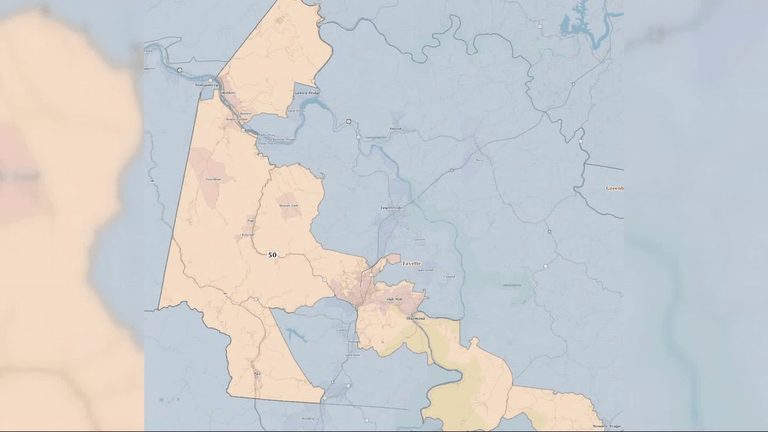
In a decisive local race, Democrat Matthew Anderson secured a majority of the vote in West Virginia’s District 50, flipping the seat from independent control. Anderson’s victory follows the withdrawal of former Delegate Elliott Pritt, who stepped aside after an arrest for allegedly enticing a minor.
Election results and voter sentiment
Anderson received over 50% of the ballots cast, outpacing Independent candidate Tom Louisos and Constitution Party write‑in Stacey Hensley. The win adds to a broader shift in the West Virginia House of Delegates, where Democrats captured twelve seats in this election cycle.
Anderson’s platform focuses on water and education
During his campaign, Anderson highlighted long‑standing water‑service problems in Cannelton, noting that a sewage crisis had persisted for four years. He praised recent construction by West Virginia American Water on new pipelines and urged continued oversight to ensure the infrastructure reaches completion, saying, “People deserve reliable water, especially in Southern West Virginia.”
Anderson, a special‑education teacher, also emphasized the need to reform the state’s school funding formula. He called for restoring counselors and social workers to public schools and addressing mental‑health resources for students, warning that cuts to education often target the most vulnerable services first.
Community outreach and next steps
After the election, Anderson said he will travel across the district to hear constituents’ concerns and work with stakeholders on legislation for clean drinking water and equitable school funding. He pledged to introduce bills in the upcoming legislative session aimed at delivering reliable water to rural areas and strengthening the public‑school system.
“Getting clean drinking water for everybody shouldn’t be a political issue,” Anderson said. “And supporting our schools with the resources they need is essential for the future of our children.”
Implications for the House of Delegates
The Democratic gains, including Anderson’s win, shift the balance of power in the House of Delegates, potentially influencing the state’s policy agenda on infrastructure, education, and other key issues. With a larger Democratic caucus, the legislature may see increased focus on rural development and public‑service funding.
Original reporting: WCHS Eyewitness News Charleston (local) — read the source article.