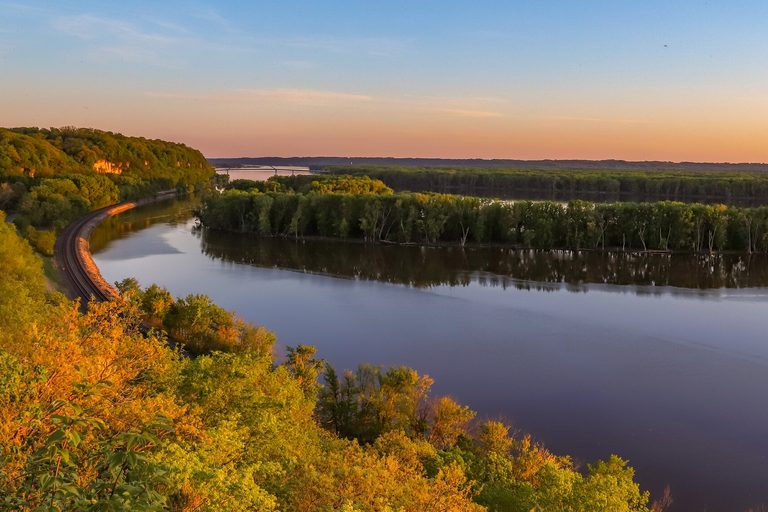
Late October in Davenport, Iowa, looks more like mid‑September for many neighborhoods. Trees that normally would be shedding their green leaves for vivid reds and oranges are still holding onto foliage, and the change‑over appears to be lagging behind the calendar.
Local expert explains the science
“You can see a lot of green still out there in the foliage,” said Josh Burkhalter, general manager of The Green Thumbers, a local horticulture service. “Certain types of trees that tend to go earlier are just starting now.” Burkhalter notes that the signal for trees to begin their autumn transformation is the shortening of daylight hours, which triggers the breakdown of chlorophyll—the green pigment—in the leaves.
When chlorophyll fades, yellow and orange pigments become visible. The intensity of the later‑season reds and purples, however, depends heavily on weather conditions. Sunny days allow leaves to produce sugars, and cool, crisp nights trap those sugars inside the leaf, fueling the creation of anthocyanins—the pigments that give foliage its richest reds and purples.
Warm nights and rain disrupt the process
Recent weather across Eastern Iowa and Western Illinois has featured above‑normal warmth and frequent rain. Warm overnight lows interfere with the sugar‑trapping process, while extended periods of cloud cover limit the sunlight needed for sugar production in the first place. The result is a delayed, more subdued color display.
Burkhalter points to his own yard as evidence. “I have a sugar maple in my yard, and it’s almost pure yellow,” he said. “Usually there’s vibrant orange to it.” The shift is not a sign of distress, but rather a natural response to the current climate pattern.
Gardeners see continued blooms
While the canopy is slow to turn, many garden plants are thriving. Residents have reported fresh hydrangea blooms appearing weeks later than usual. Panicle hydrangeas and reblooming varieties naturally have extended blooming windows, especially when hard freezes are delayed. “With hard freezes staying at bay so far this season, those plants have simply kept doing what they do best,” Burkhalter explained.
What this means for residents
The delayed foliage is a visual reminder of how subtle shifts in weather affect seasonal cycles. Homeowners who enjoy autumn scenery can still look forward to a full display later in the month as nights continue to cool and daytime sunshine returns. In the meantime, the greener canopy provides additional shade and a pleasant backdrop for outdoor activities.
For gardeners, the extended bloom period offers more opportunities to enjoy garden colors and to plan for next year’s planting schedule. Local nurseries recommend selecting tree species that respond well to variable fall temperatures, ensuring a more reliable color show in future seasons.
Looking ahead
Forecasters expect nighttime lows to drop further as the month progresses, which should help the anthocyanin production process resume. Residents can anticipate a more classic red‑and‑orange tableau by early November, assuming the weather turns cooler and drier.
In the meantime, the Quad Cities community can appreciate the unique, late‑season green canopy and the continued garden blooms that brighten neighborhoods during this transitional period.
Original reporting: KWQC TV6 Davenport (local) — read the source article.