Wednesday’s hearing at the Allegheny County Courthouse saw the defense in the Johnathan Morris murder trial call its first witnesses. The witnesses – Morris’ ex‑wife, former fiancée, former Marine roommate and a psychologist – painted a picture of severe mental‑health struggles that preceded the fatal encounter with McKeesport police.
Family members describe a dramatic change after military service
Former Marine Corps roommate Emilio Perez testified that Morris was terrified of confined spaces, suffered night terrors, and would wake up shivering, gasping for breath, and wrestling in his sleep. Perez said Morris grew paranoid, accusing him of sleeping with his girlfriend and calling his daughter with derogatory names.
Morris’ ex‑wife, Anais Badnell, told jurors that he was a “happy and healthy person” before his deployment to Afghanistan, but changed afterward. “He would hide under the bed,” she recalled.
Former fiancée Arylin Ballesteros added that Morris stopped sleeping at night, waking from nightmares drenched in sweat, yelling, and unable to recognize her. She described incidents where he would lie on the floor out of fear, hang blankets over doors and windows, and even suspect she was poisoning his food. Ballesteros recounted a night when Morris believed their home was being invaded and called police, running around the house trying to catch an intruder that was not there.
Psychologist links PTSD to the shooting
Defense‑appointed psychologist Dr. Terri Dilmore reviewed Morris’ records and evaluated his behavior. She testified that he suffers from post‑traumatic stress disorder and a mood disorder with psychotic symptoms, both rooted in trauma experienced during his Marine service. Dr. Dilmore described an incident where Morris was “locked in a closet on base and there was mortar fire,” underscoring the intensity of his combat exposure.
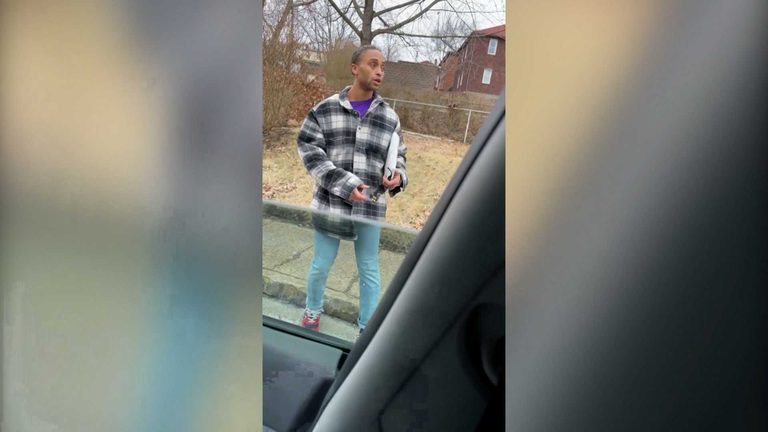
Using video footage captured on February 6, 2023, by two sisters who followed Morris as Officers Sean Sluganski and Chuck Thomas pursued him, Dr. Dilmore said Morris appeared agitated, manic, and paranoid. She noted a “fear of people in authority, particularly law enforcement, as well as a fear of people following him.” According to Dr. Dilmore, Morris believed he was in imminent danger that day and was “fleeing to save his life.”
Brother’s testimony adds family perspective
Andre Tyler, Morris’ brother, testified that he, his brothers and their mother – a former police officer – had planned to take Morris to the VA for help on the day of the shooting. Their mother attempted to use handcuffs to restrain him, but Morris pushed them away and fled. Tyler expressed guilt, saying he felt responsible for the subsequent shooting and admitted he never told police about the family’s attempt to intervene.
Prosecutors later introduced body‑camera footage from Tyler’s interview with detectives, during which police say Morris opened fire, killing Officer Sluganski and wounding Officer Thomas.
Trial continues
The defense indicated it will continue presenting its case on Thursday, with the trial expected to run through the end of the month. The testimony highlights the complex intersection of military‑related trauma, mental‑health challenges, and violent outcomes, raising questions about how the justice system addresses defendants with severe psychological conditions.
Original reporting: WTAE (Hearst) – local — read the source article.