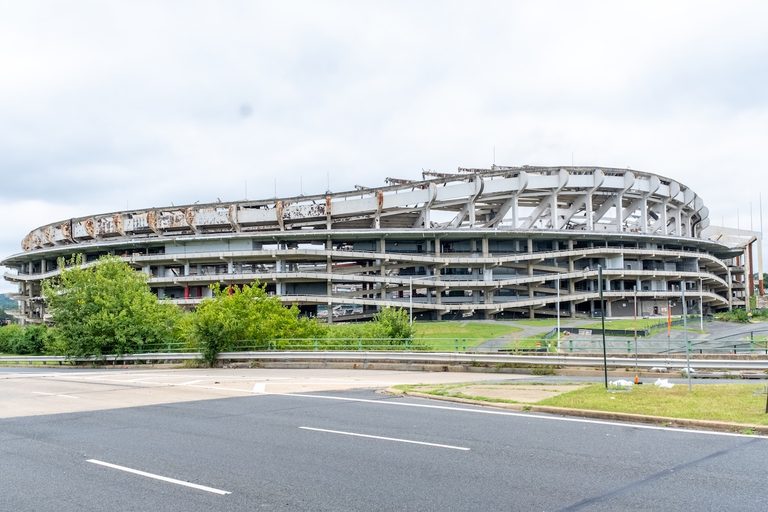
The District of Columbia is moving ahead with a $524 million revenue bond sale scheduled for Nov. 19. The proceeds will finance horizontal infrastructure—such as site preparation and utility upgrades—at the former RFK Memorial Stadium site, where the Washington Commanders plan to build a new NFL stadium and mixed‑use development.
Bond details and ratings
The tax‑exempt, fixed‑rate Series 2026 bonds carry an Aa2 rating from Moody’s and an AA‑minus rating from S&P, indicating high‑quality, low‑risk, investment‑grade debt. Goldman Sachs and Loop Capital Markets are leading the underwriting, and the transaction is expected to close the week of Dec. 7.
Funding sources and budget impact
Debt service on the bonds will be paid from a dedicated sports‑facility fee and a gross‑receipts tax on certain D.C. businesses, not from general‑city taxes. While the dedicated fee backs the bonds, analysts note that the obligations still count toward D.C.’s 12 % legal debt limit, moving the District closer to its capacity.
Bond Buyer reports that the city faces a projected $680 million budget gap for fiscal 2028, and the incoming mayor is already weighing a business‑activity tax to address the shortfall.
Context of the financing plan
This bond sale is the first step in a broader $3.7 billion public‑private financing plan for the stadium and surrounding development. It follows a $1.2 billion bond offering in July, which funded an infrastructure fund for redevelopment at the RFK site.
Moody’s downgraded D.C.’s general‑obligation rating to Aa1 from Aaa in 2025 after federal workforce cuts, but raised its outlook to stable in April. By midsummer, investors appeared to have moved past that uncertainty, with market commentary noting that “last year’s uncertainty is now largely priced into the market.”
Mayor‑elect’s perspective
Mayor‑elect Janeese Lewis George, who will assume office in January, said the bond sale reflects “really critical decisions, especially as it relates to budget.” She succeeded Mayor Muriel Bowser, who chose not to seek a fourth term.
Lewis George’s administration is expected to continue pursuing the stadium project while balancing the District’s fiscal health. The bond proceeds, combined with private investment, aim to deliver a modern sports venue and revitalized mixed‑use district that can generate jobs and tax revenue for the city.
What this means for residents
Because the bond debt is serviced by a sports‑facility fee and a gross‑receipts tax, the direct impact on ordinary taxpayers is limited. However, the increased debt load brings the District nearer to its legal debt ceiling, a factor city officials will need to monitor as they plan future capital projects.
Stakeholders, including local business owners and community groups, will be watching how the financing plan unfolds and how the new stadium development integrates with surrounding neighborhoods.
Original reporting: The Washington Informer — read the source article.