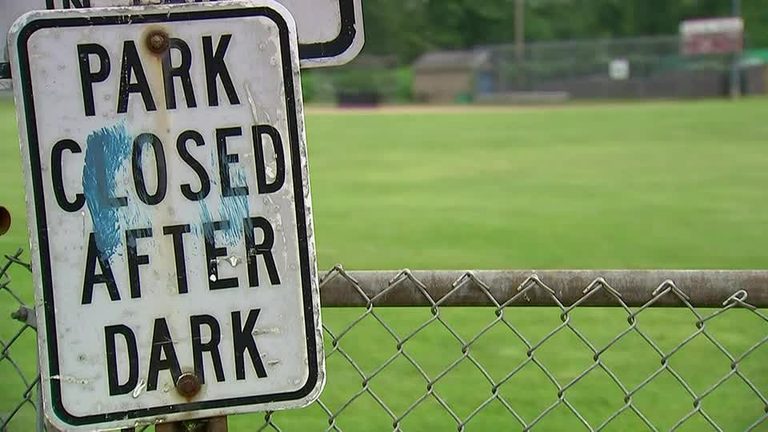
Dayton, Ohio – In an effort to keep the city’s streets safe during overnight hours, the Dayton Police Department has reiterated the city’s curfew ordinance for minors. Under the municipal code, any person under the age of 18 who is not accompanied by a parent or guardian may not loiter, loaf, or idle on any public street, avenue, alley, park, or other public place between 11 p.m. and 5 a.m.
Legal basis and enforcement
The curfew law is part of Dayton’s broader public‑safety strategy, aimed at reducing nighttime disturbances and protecting young residents from potential danger. Police officers are authorized to issue citations to both the minor and the accompanying adult if the ordinance is violated. Such citations are classified as a misdemeanor for each party involved.
Why the curfew matters to families
City officials stress that the curfew is not a punitive measure but a preventative one. By encouraging parents and guardians to supervise their children during late‑night hours, the ordinance supports traditional family values and helps maintain a sense of order in neighborhoods. The department notes that consistent enforcement has historically contributed to lower rates of juvenile crime and fewer incidents of vandalism after dark.
What parents and guardians should know
- Ensure that any minor under 18 is either at home or in a supervised setting between 11 p.m. and 5 a.m.
- If a minor must be out for a legitimate reason (e.g., a work shift or a family emergency), a parent or guardian should be present and able to provide proof of the necessity if asked by an officer.
- Violations result in a misdemeanor charge for both the youth and the adult, which can lead to fines and a court appearance.
Community response
Local residents have expressed mixed reactions. Some parents appreciate the clear reminder, saying it reinforces the importance of parental responsibility. Others argue that the curfew may be overly restrictive for older teenagers who work late shifts or participate in extracurricular activities. The police department encourages community members to share their concerns at upcoming city council meetings, where the ordinance’s impact can be reviewed.
How the ordinance is enforced
Patrol officers conduct routine checks in areas where minors are known to gather after dark, such as downtown streets, park entrances, and popular transit stops. When an officer encounters a minor without a parent or guardian, they will first issue a verbal warning. If the situation persists, a citation is issued, and the adult accompanying the minor is held equally accountable.
Looking ahead
The Dayton Police Department plans to continue public‑awareness campaigns throughout the year, using local media, school newsletters, and community events to educate families about the curfew. Officials hope that sustained outreach will foster cooperation between law enforcement and residents, ultimately creating a safer environment for all Dayton citizens.
Original reporting: WHIO-TV Dayton (local) — read the source article.