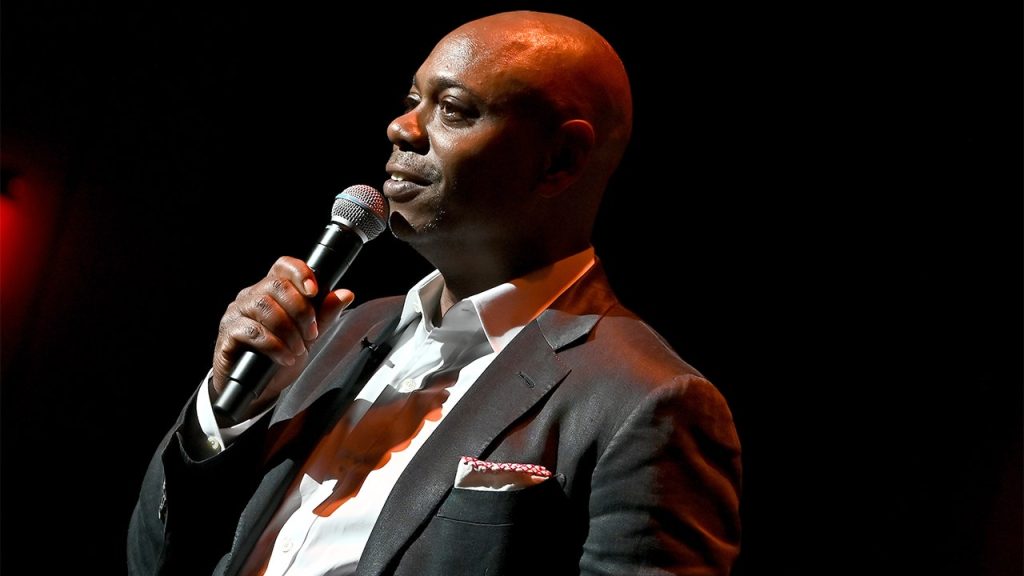
Dave Chappelle sat down with Michelle Obama and Craig Robinson in Yellow Springs, Ohio, for an episode of the podcast IMO that digs into the pressures of modern media, the erosion of nuance, and his own controversial career moments. The conversation moves from comedy club lore to critiques of the 24-hour news cycle, touching on Chappelle’s past Netflix specials, free speech in comedy, and the weirdness of today’s public discourse in small-town setting that still shapes his view.
On the podcast, recorded in Chappelle’s hometown of Yellow Springs, Ohio, he revisits the controversies that followed specials like The Closer with a mix of defiance and weary humor. He pushes back on the idea that his jokes set him against entire communities, insisting the fights were never personal attacks but a reflection of broader cultural and corporate negotiating. Chappelle makes it clear he sees comedy as a space for wrestling with ideas rather than flattening them into neat victim-and-villain stories.
He calls the comedy club a refuge where different voices can coexist and spar openly, asserting that performers of all backgrounds — transgender, Black, White, Asian — show up to debate, provoke, and then keep talking afterward. “We might duke it out on stage … but silencing that person wouldn’t be anything,” he says, describing how comics reconcile their differences offstage over drinks and conversation. Chappelle portrays that environment as vital to art, a place where risk and contradiction are part of the craft.
Chappelle argued the press has a habit of flattening art into a binary judgment, picking soundbites that erase the wiggle room every comedian needs. “Nothing makes a comedian madder than reading his joke wrong in the paper,” he warns, underscoring how careless reporting can turn a layered bit into a morality play. For him, comedy’s value often lives in the margins of error and the audience’s ability to wrestle with uncomfortable ideas.
He also spoke plainly about how the news machine amplifies outrage and compresses time, creating a relentless feed of shocks that leaves little room for context. “Every day the news cycle is more appalling than the last day, and this doesn’t seem like it’s ever gonna end,” Chappelle says, summing up the exhaustion many people feel. He jokes about learning new geopolitical terms weekly, a tongue-in-cheek way to point out the bewildering pace at which global crises enter our living rooms.
That same exhaustion appears when he revisits the backlash over his transgender jokes, which he now frames with a darkly ironic shrug. “People would think it’s me versus the gay community. … I never looked at it like that,” Chappelle says, repeating a theme that runs through the episode: his disputes were about industry power and cultural negotiation, not personal vendettas. He even quips that the intense cancellation efforts of past years now feel like “the good old days” compared with the media storm of the present.
Chappelle doesn’t shy from calling out other voices in the entertainment world when relevant, and the episode references broader industry debates about free speech and commerce. The names Marc Maron and Ricky Gervais come up as part of a wider conversation about how platforms, audiences, and networks respond when comedians push boundaries. For Chappelle, those debates are evidence that comedy remains one of the few art forms still willing to court genuine risk.
The podcast shifts tone at moments, moving from comic bravado to genuine reflection on parenting and perception. He shares an anecdote about his 16-year-old daughter noticing how presidents look, and he uses it to make a wry point about generational perspective and public performance. “Oh no! They’re not good at it, Daddy!” his daughter reportedly told him, a line that cuts through the grandstanding with a child’s blunt assessment.
There’s sadness in Chappelle’s assessment of social media and the media ecosystem, and he admits some of the most ferocious fights he faced were less damaging than the steady drip of outrage and misinterpretation that characterizes today’s headlines. He wants people to recognize the difference between a joke and a life verdict, and he pushes back on quick moralizing that leaves no room for repair or nuance. The episode feels like an appeal from a veteran comic who’s tired of watching art be reduced to checkboxes.