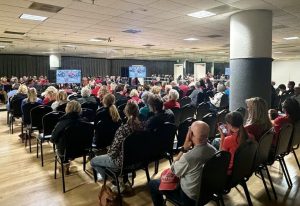
In November 2024, a slim majority of Dallas voters (55.04%) approved Proposition S, adding Chapter XXV – Citizen Enforcement – to the city charter. The amendment was championed by the grassroots group Dallas HERO to give residents a direct path to court when they believe the city has violated its own charter, ordinances, or Texas law.
How Proposition S Works
Under the new charter language, a qualified Dallas resident – including individuals, businesses, nonprofits and other entities located in the city – may file a lawsuit seeking either declaratory relief (a judge’s finding on whether the city broke a law) or injunctive relief (a court order requiring the city to act or stop an unlawful action). Successful plaintiffs can also recover reasonable attorney’s fees and court costs.
Importantly, the amendment does not give citizens unlimited power to sue over every disagreement with city officials. Dissatisfaction with a budget decision or policy does not automatically constitute a legal violation, and the amendment does not allow removal of elected officials, criminal penalties, or personal compensation.
Recent Lawsuits Put the Amendment to the Test
Since the amendment’s adoption, several high‑profile cases have invoked Proposition S. On February 13, 2026, Texas Attorney General Ken Paxton sued Dallas, City Manager Kimberly Bizor Tolbert and CFO Jack Ireland Jr. for allegedly failing to meet mandatory public‑safety funding requirements set by Proposition U, another voter‑approved measure. Two Dallas residents, Jeff Hauschild and Matt Trammell, joined the suit and cited Proposition S as the legal basis for their enforcement action. The plaintiffs claim the city miscalculated excess revenue for fiscal year 2025‑2026 – the state’s estimate was roughly $220 million, while the city reported about $61 million – and that Dallas did not conduct the independent police‑compensation survey required by Proposition U. These allegations remain disputed.
Another case, filed on August 12, 2026 by the Save Dallas City Hall Coalition, alleges that Mayor Eric Johnson, City Council members and senior administrators failed to comply with historic‑preservation requirements for the I.M. Pei‑designed municipal building. The coalition submitted the required Proposition S notice on May 12, 2026 before filing suit, seeking court orders to enforce preservation duties rather than monetary damages.
Appellate Decisions Highlight Legal Limits
Two 2026 appellate rulings illustrate that invoking Proposition S does not guarantee success. In Sarno v. Board of Adjustment for the City of Dallas, the Fifth Court of Appeals dismissed claims involving a church recreational court, finding the plaintiffs had not adequately shown a violation of mandatory duties. The court did not strike down Proposition S, but it left the broader question of the amendment’s waiver of governmental immunity unresolved.
In Coaster Line‑Coaster Club Inc. v. City of Dallas, the court dismissed a declaratory‑judgment claim by a sexually oriented business that relied on Proposition S, concluding the business lacked a sufficient jurisdictional basis. The judges did, however, reverse a separate ruling on the legal standard used to review the city’s license revocation, again avoiding a definitive ruling on the amendment’s constitutional validity.
What This Means for Dallas Taxpayers
Proposition S places the burden of litigation costs on the plaintiffs. Residents must secure their own legal representation and initial funding, as the charter does not provide government‑funded attorneys for citizen suits. While the amendment promises greater accountability, the financial and procedural hurdles mean that only well‑organized groups or individuals with resources are likely to pursue these actions.
Nevertheless, the ongoing lawsuits demonstrate that Dallas voters now have a concrete mechanism to demand compliance with the city’s own rules. As the courts continue to interpret the amendment, the city and its residents will learn how far the charter’s waiver of governmental immunity can stretch.
Looking Ahead
City officials and advocacy groups alike are watching these cases closely. The outcomes will shape how Dallas balances governmental protection with citizen oversight – a balance that aligns with the community’s desire for transparent, law‑abiding governance. For now, Proposition S remains a powerful, if still‑evolving, tool for Dallas citizens to hold their local government to account.
Original reporting: The Dallas Express — read the source article.