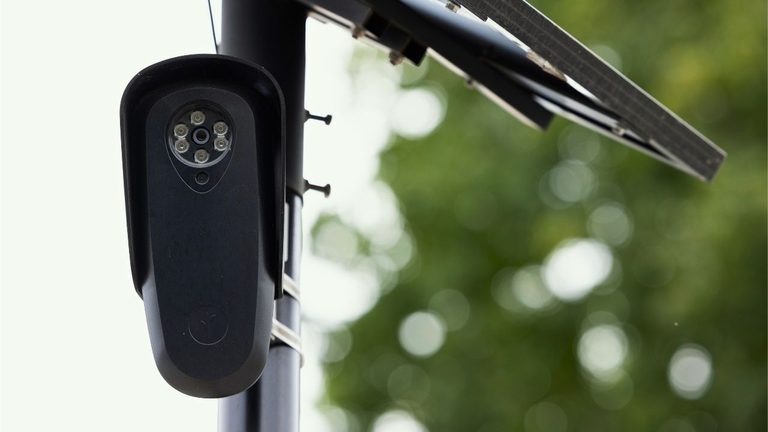
On Tuesday evening, the Dallas Community Police Oversight Board convened in the City Hall Council Chambers to scrutinize the city’s partnership with Flock Safety, the company that supplies the automated license‑plate reader (ALPR) network now covering 690 cameras across Dallas.
Agenda and Key Presentations
The posted agenda listed briefings from Dallas Police Department (DPD) officials, a representative from Flock Safety, a University of North Texas at Dallas criminal‑justice professor, the ACLU of Texas, and the Center for Justice Research. Each speaker will address how the technology is used, how long data is retained, and what safeguards are in place.
DPD’s Data Practices
According to the department’s presentation, the ALPR system retains images for 365 days. Searches must be tied to a specific offense type, investigative reason, and case number, and the platform logs all user activity for compliance monitoring. The department reports that 2,109 DPD personnel have access to the system.
In September, DPD users conducted 37,508 searches linked to 3,007 unique case numbers and 5,432 distinct license plates. The department also says it shares camera access with 202 Texas law‑enforcement agencies and receives data from an additional 1,063 agencies that share their own camera networks with Dallas police. No federal agencies are listed as partners.
Retention Discrepancies
A separate presentation highlighted a discrepancy: Flock’s default retention period is seven days, while DPD’s deck lists a one‑year retention window. Dallas’ publicly posted general order calls for a 30‑day retention period, creating further questions about consistency across policy documents.
Crime‑Solving Impact
DPD cites the ALPR system as a primary factor in solving 15.9% of homicide cases, 12.5% of business robberies, 10.9% of individual robberies, 16.7% of aggravated kidnappings, and 13.1% of aggravated assaults. The department also highlighted a June case where a Flock camera located a missing, insulin‑dependent individual with dementia, allowing officers to reunite the person with family.
Regional Landscape
Dallas is not alone in grappling with the technology. Nearby municipalities have taken divergent paths. Wylie’s city council voted 7‑0 to end its six‑camera contract with Flock. Hood County shut down its county‑operated cameras after residents raised privacy concerns. Conversely, Carrollton renewed a three‑year agreement covering 82 cameras despite public opposition.
A September review by The Dallas Express identified at least 23 Texas local governments that have ended, declined to renew, suspended, or reduced Flock deployments.
Legal Context
Recent federal court precedent adds weight to the privacy debate. An Oklahoma federal judge suppressed evidence after finding that a warrantless search of historical vehicle‑location records from an ALPR system violated the Fourth Amendment.
Community Voices
The ACLU of Texas will raise concerns about location tracking, data sharing, unjustified stops, false arrests, and constitutional protections. The UNT Dallas scholar will present both sides, noting that while ALPRs can shorten investigative response times, longer retention periods, broader data sharing, and open‑ended searching raise civil‑liberties risks.
Board members and Dallas residents will have the opportunity to question DPD officials, evaluate the department’s crime‑solving claims, and consider whether the current balance between public safety and individual liberty aligns with community values.
What’s Next?
The oversight board’s findings could influence future city policy on data retention, inter‑agency sharing, and oversight mechanisms. As the conversation continues, Dallas citizens are encouraged to attend the meeting, submit comments, and stay informed about how technology intersects with privacy and constitutional rights in their neighborhoods.
Original reporting: The Dallas Express — read the source article.