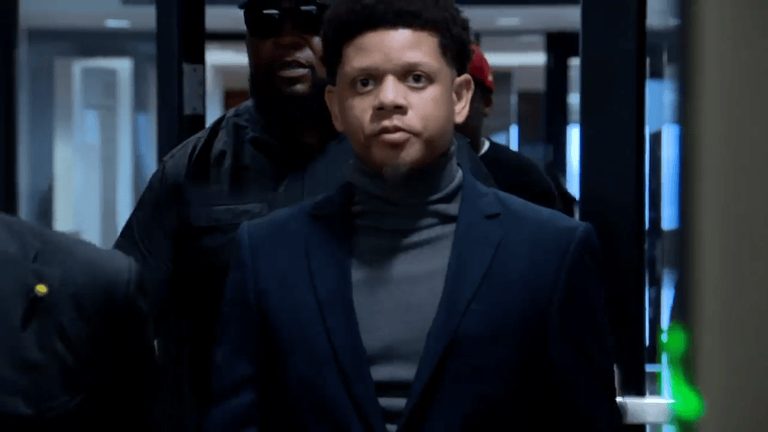
Dallas County Courtroom – The murder trial of Dallas rapper Markies Conway, known professionally as Yella Beezy, entered its eighth day on Thursday morning. The case centers on the 2020 killing of fellow Dallas rapper Melvin Noble, who performed under the name MO3.
Prosecution’s case builds
Prosecutors have continued to call witnesses who describe a chaotic scene of gunfire on a Dallas freeway. They have also introduced surveillance footage, forensic evidence, and financial records that they say tie Conway to the alleged murder‑for‑hire plot.
The state alleges Conway paid Kewon White $40,000 to carry out the shooting. White, who was convicted of capital murder in September and sentenced to life in prison, testified that he received the payment and that the motive stemmed from a feud between the two rappers that began in 2017.
Defense challenges the evidence
Conway’s defense team has questioned the reliability of the witnesses and argued that the prosecution has not proven a direct link between Conway and the $40,000 payment. The defense maintains that Conway remains presumed innocent until proven guilty.
Judge Michael McGowan, who presided over the initial hearing, indicated that the trial could last roughly three weeks, suggesting that the courtroom will remain a focal point for the community in the weeks ahead.
Background on the feud
The rivalry between Yella Beezy and MO3 dates back to 2017, when both artists were rising figures in the Dallas hip‑hop scene. Their public disputes escalated over social‑media posts and alleged threats, culminating in the fatal shooting of MO3 on June 19, 2020.
MO3’s death shocked the local music community and prompted calls for increased safety measures at concerts and public events. Community leaders have urged law‑enforcement to address violence that threatens the cultural fabric of Dallas.
What’s next?
The prosecution is expected to call additional forensic experts in the coming days to further explain the ballistics and DNA findings that link the weapon to the crime scene. The defense is likely to present its own experts to challenge the forensic conclusions.
Both sides have signaled that they will continue to present their arguments vigorously, and the trial’s outcome will have significant implications for the Dallas rap community and for ongoing efforts to curb gun violence in the city.
Community response
Local residents and fans have gathered outside the courthouse, holding signs that call for justice while also expressing concern for the families affected by the tragedy. Faith‑based groups in the area have offered prayers for the victims and for a fair legal process.
The trial remains a high‑profile case in Dallas, drawing attention from regional media and prompting discussions about the intersection of music culture, personal feuds, and public safety.
Original reporting: Richardson, TX News (HLL/CB) — read the source article.