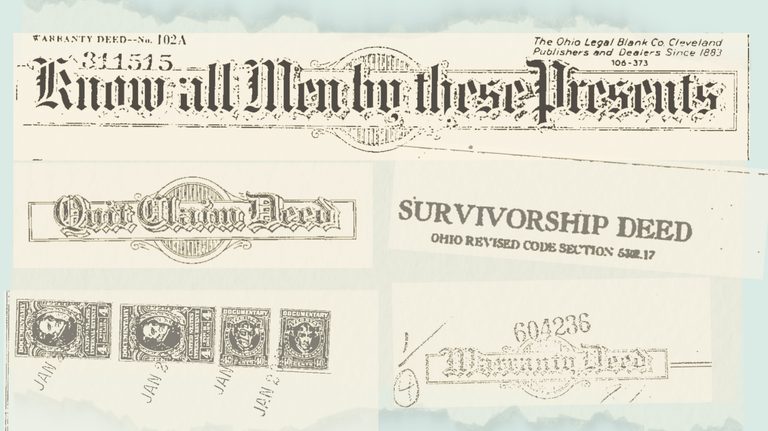
Deed scammers—sometimes called title pirates—are exploiting vacant homes across Cuyahoga County, with an estimated 80% of cases occurring in Cleveland. The fraud often begins when a property is left vacant after a death or when an out‑of‑state heir neglects the house. Scammers then forge paperwork, including notarized signatures, to transfer ownership.
How the scams work
According to Brian O’Malley, director of transfer and recording for the Cuyahoga County Fiscal Officer, fraudsters scout neighborhoods for unattended houses, sometimes watching a property for weeks. They research public records to learn who owns the home, whether it is in probate, or if it is a rental. Even homes with existing mortgages are not safe.
Scammers then create forged signatures, often using a notary’s seal obtained online. Retired attorneys who still hold a notary commission are prime targets; O’Malley recalled a case where a retired lawyer’s stamp was used without his knowledge. The forged documents are typically quit‑claim deeds, which transfer property without any warranty of title. Unsuspecting buyers are lured by prices far below market value, unaware that quit‑claim deeds are meant for transfers among family members.
County response: free email alerts
The county now offers a free service that sends an email whenever a deed, tax lien, or other filing lists a homeowner’s name. Property owners can sign up on the county website or through the records search page. Alerts arrive after a filing is recorded, giving owners a chance to investigate quickly.
Upcoming two‑factor text verification
Starting in 2027, Cuyahoga County plans to pilot a two‑factor authentication system that will text owners in real time when a deed filing is attempted. The message will ask the owner to reply with a unique “yes” code to approve the transfer; a “no” code will block it. O’Malley says the rollout will begin with select neighborhoods and will be supported by staff at recreation centers and other public venues to help residents enroll.
“We want a slow rollout so we don’t get overrun,” O’Malley explained. “We need to confirm you are the owner. We can’t let scammers put their phone number in the system.”
Why the county’s actions matter
Deed theft is a growing national problem. The FBI’s 2025 Internet Crime Complaint Center report showed real‑estate‑related fraud losses rising to $275 million in 2025, up from $173 million the year before. While the loss figure fell from a 2022 peak of $397 million, the trend underscores the need for proactive safeguards.
Local officials stress that vacant homes are especially vulnerable, and many of the affected neighborhoods—Cleveland, Garfield Heights, Maple Heights—have higher vacancy rates than surrounding areas. By providing immediate alerts and a verification step, the county hopes to protect homeowners, particularly seniors and out‑of‑state heirs, from losing property and life savings.
What residents can do
- Sign up for free email property alerts at cuyahogacounty.gov.
- Consider enrolling in the upcoming two‑factor text service when it becomes available.
- Verify any quit‑claim deed offers with a trusted attorney and obtain title insurance before signing.
- Report suspicious activity to the Cuyahoga County Prosecutor’s Office.
By staying informed and using the county’s new tools, homeowners can help stop deed scammers from preying on vulnerable properties.
Original reporting: Signal Cleveland — read the source article.