Missoula‑based artificial intelligence firm CubCloud AI filed a lawsuit on Nov. 4 in Missoula District Court, seeking to block a recent city zoning amendment that effectively bans data centers within city limits, except for limited small‑scale uses. The suit, now before Judge Shane Vannatta, is being pursued with the help of the Frontier Institute’s Big Sky Legal Project and the Arizona‑based Goldwater Institute, according to KPAX.
The amendment, approved by the Missoula City Council last month, revised the definition of a data center and shifted regulation from floor‑space percentages to how equipment is used. Previously, facilities that occupied less than 50% of a building’s floor area could operate citywide; the new rule closes that loophole, restricting any new or expanded data‑center‑type operations in Missoula, according to Montana Free Press.
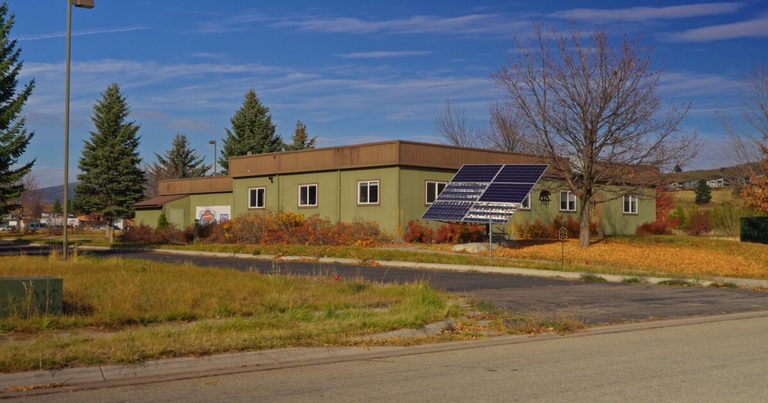
CubCloud AI, which employs 18 people and provides private computational resources, remote data processing, server hosting and cloud computing services, currently operates an 850‑square‑foot facility on Kestrel Drive near the Missoula International Airport. The company says the existing site complied with the earlier code because its equipment occupied about 20% of the floor area. CEO Joshua Rhines had planned a stand‑alone building on the same site to expand capacity, but the updated ordinance would prevent that expansion, as reported by YPRadio.
Representatives argue the ordinance violates Montana’s 2025 Right to Compute Act, a law that ties property and free‑speech rights to the ownership and use of computers. Kendall Cotton, president of the Frontier Institute, said the law makes such regulations “illegal” unless they are narrowly tailored to a compelling public interest. Goldwater Institute attorney Dave Roland echoed that sentiment, stating the ordinance “targets data centers because it considers them the wrong type of business” and is not narrowly tailored to address noise, light, or pollution concerns.
Missoula City Attorney Ryan Sudbury confirmed the city is aware of the lawsuit but has not yet been served. He said the city plans to “vigorously defend” the council’s decision and noted that the Right to Compute Act does not grant data‑center operators the right to locate wherever they please. The city’s statement to KPAX reiterated this position and added that it will not comment on case specifics while litigation is pending.
City Council Member Kristen Jordan, who voted for the amendment, expressed concern that the current code does not adequately address future data‑center development. She is drafting a two‑year moratorium on heavy‑industrial zoning to give the council time to craft more detailed regulations, a proposal expected before the council in the coming weeks.
The dispute is part of a broader Montana debate over data‑center regulation. Recent ballot initiatives in Yellowstone and Butte‑Silver Bow counties seeking voter approval for new data centers failed, while another effort is underway in Yellowstone County, according to YPRadio.
What’s next: CubCloud AI seeks a court order declaring the zoning amendment unconstitutional under the Right to Compute Act and to enjoin its enforcement. The city expects to be served soon and will defend the ordinance. Council Member Jordan’s moratorium proposal is slated for council review in the next few weeks.
Sources: kpax.com, montanafreepress.org, ypradio.org