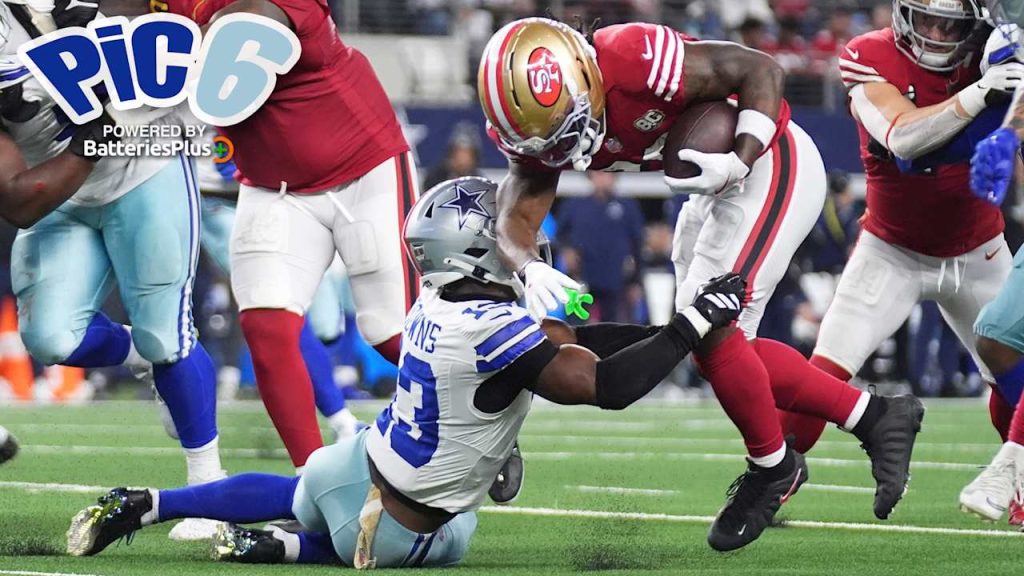
In a recent Monday night showdown, the Dallas Cowboys showed flashes of a strong pass rush but ultimately fell short, losing 46‑40 to the San Francisco 49ers. While the defense logged five sacks for a loss of 19 yards, the team also allowed ten missed tackles that added 91 yards and kept the 49ers’ offense alive.
Pass rush highlights
The Cowboys managed to bring down quarterback Brock Purdy five times, including a key sack by Jonathan Bullard with just over four minutes left in the second quarter. That play forced a second‑and‑16 situation and briefly put the 49ers in a difficult spot.
However, Purdy quickly recovered, connecting with George Kittle for eight yards and then delivering a 74‑yard touchdown pass to Christian McCaffrey. The sack disrupted a single snap but did not end the possession, and San Francisco marched from its own 24‑yard line to the end zone in just three plays, taking a 17‑16 halftime lead.
Why the sack count can be misleading
A sack is valuable, especially when it results in a loss of yardage, but football is a series of plays. After a quarterback is pressured, the defense must still cover the next route, make the tackle, and prevent extra yards. Dallas struggled with those fundamentals. The Cowboys allowed 10 missed tackles, costing them 91 yards—more than the yardage saved by the sacks.
San Francisco finished with 584 total yards, 370 through the air and 214 on the ground. Despite the five sacks, Purdy completed 22 of 28 passes for 389 yards and three touchdowns. The numbers illustrate that a quarterback can be harassed and still run an effective offense when the defense fails to finish the play.
Coach Schottenheimer’s diagnosis
Head coach Brian Schottenheimer identified missed tackles as the larger issue. He emphasized the need to lower the target, wrap up securely, roll through the tackle, and use help to bring the ball carrier back inside. He warned that a defender who reaches too high can create an escape lane, and a player lacking proper outside control can let a play spill into open space.
When Cowboys defenders tackle loosely, the pass rush must work overtime just to keep the game from opening up. That is a poor bargain against dynamic players like McCaffrey, Deebo Samuel Sr., and a 49ers offense built to punish one missed fit.
Second‑half fallout
After halftime, San Francisco added 340 yards and 29 points. Dallas did record a sack by Elijah Garcia early in the fourth quarter, pushing Purdy back from the 49ers’ 41‑yard line to the 40‑yard line, but the pressure did not translate into a stop. The 49ers continued to move the ball, completing a pass to McCaffrey for 14 yards, a 17‑yard run, and a 16‑yard touchdown on the same possession.
The third quarter featured similar patterns. A 27‑yard pass to Jordan Watkins and a 15‑yard pass to Kittle moved the 49ers across midfield, followed by a 25‑yard touchdown run from Kaelon Black and a 70‑yard touchdown run by Deebo Samuel. Explosive plays repeatedly erased the value of the Cowboys’ partial disruptions.
Looking ahead
Schottenheimer’s plan focuses on improving tackling technique and ensuring that each sack is followed by a secure stop. By reducing missed‑tackle yards, the Cowboys can turn partial pressure into complete defensive success, giving the team a better chance to compete in future matchups.
Dallas fans will be watching closely as the coaching staff works to tighten up fundamentals, hoping that the next time the Cowboys generate a sack, it will also result in a decisive end to the opponent’s drive.
Original reporting: DenisonWeekly.news — read the source article.