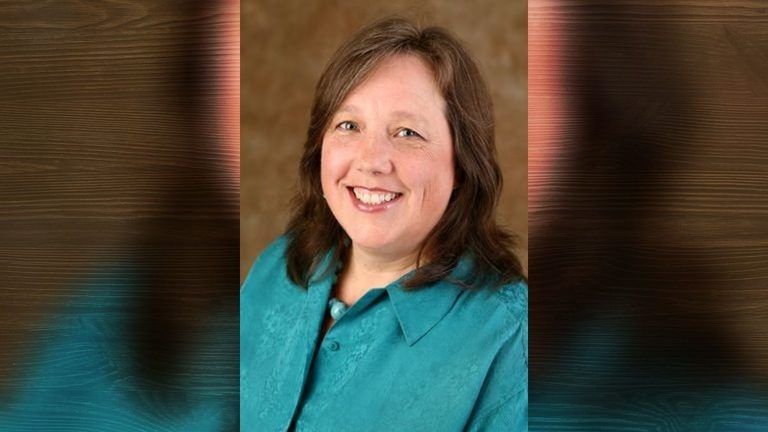
Clark County residents face a critical choice in upcoming council elections. Voters are asked to re‑elect Councilor Michelle Belkot (District 2), and to consider Peter Silliman for District 5 and Bryan Shull for District 1. All three candidates share a common stance: they oppose the costly expansion of MAX light‑rail into the county and champion affordable C‑TRAN bus service.
Belkot’s Record on Transportation and Taxation
Since taking office, Councilor Belkot has consistently voted against new taxes and has resisted any annexation effort by the City of Vancouver that would diminish county control. She has also opposed the billions‑dollar MAX light‑rail project, arguing that the county’s voters have already rejected such extensions.
In 2012 every municipality within Clark County voted against a C‑TRAN ballot measure that would have extended Oregon’s TriMet MAX into the county. The following year, a county‑wide vote required any future light‑rail project to receive a majority of voter approval; 68 % of participants supported that requirement. A 2022 Clark County resolution, still posted on the county website, reiterates that no light‑rail project may proceed without a county‑wide vote.
C‑TRAN Board Controversy
Despite the resolution, several councilors—Yung, Fuentes, Marshall and Little—voted to move forward with MAX light‑rail without a public vote. In March 2025, the Battle Ground City Council approved a resolution opposing any light‑rail extension as part of the I‑5 Interstate Bridge project. Councilor Troy McCoy, who also sits on the C‑TRAN board, voted against that resolution.
On March 11 2025 the C‑TRAN board considered Belkot’s proposal to reinstate the 2022 voting conditions. While a majority seemed ready to back the motion, Light‑rail proponent Sue Marshall moved to table it, and Vancouver Mayor Ogle and McCoy voted with her. The next day, councilors removed Belkot from the board and replaced her with Councilor Fuentes, a strong Light‑rail advocate.
Board Composition and Representation
In 2025 the Washington State Department of Transportation altered the C‑TRAN board makeup to four Vancouver members, three Clark County members, and two from other cities. The state’s Office of Financial Management’s April 1 2026 population estimate shows 249,320 unincorporated Clark County residents versus 207,000 in Vancouver. Yet the board now gives Vancouver a six‑member majority on a nine‑member board, effectively sidelining most county voters.
Cost Concerns
The I‑5 Replacement Bridge cost estimate has doubled from $7.5 billion in 2023 to $15.2 billion in 2026. Extending MAX light‑rail an additional 1.82 miles over the bridge is projected to cost roughly $3.5 billion. By contrast, Charles Prestrud notes that in the Puget Sound area the average household pays over $1,700 per year in transit taxes, yet Sound Transit’s light‑rail lines carry less than one percent of daily trips, and overall ridership has declined over the past decade.
Why Vote for Belkot, Silliman and Shull?
Belkot’s steadfast opposition to unnecessary taxes and Light‑rail spending aligns with the 2013 voter mandate. Peter Silliman brings decades of telecommunications experience, two years as a Clark County policy analyst, and current service as a County Charter Review Commissioner—making him a qualified voice for North County District 5.
Candidate Bryan Shull, running for District 1, emphasizes transparency on I‑5 Bridge costs and offers a background in renewable‑energy research and development. His expertise promises practical solutions to complex infrastructure challenges without burdening taxpayers.
Take Action
Clark County voters are encouraged to review the candidates’ positions and consider how each will protect county autonomy, keep transportation affordable, and guard against unchecked spending on Light‑rail projects that have repeatedly failed to deliver value for taxpayers.
Original reporting: Clark County Today (Vancouver WA) — read the source article.