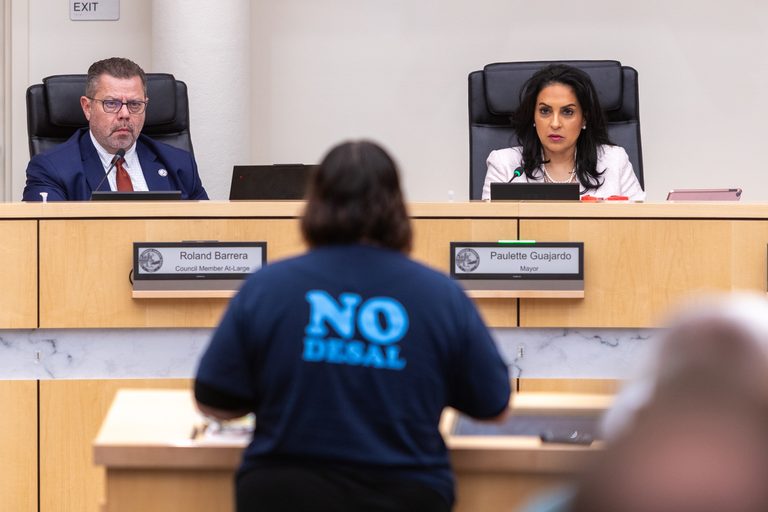
Corpus Christi residents will vote in November on a measure that could end the water‑use protections granted to the city’s largest industrial users in 2018. The proposal, driven by community activist Isabel Araiza and other local organizers, would remove the exemption that let oil‑chemical plants continue drawing water at low cost during droughts and would raise the price they pay for water in future dry spells.
Background of the 2018 agreement
Eight years ago, during the height of the shale‑oil boom, a coalition of industry giants—including OxyChem, Valero, Citgo and Flint Hills Resources—partnered with city officials to fund a seawater desalination plant. The plan promised a “drought‑proof” water supply while allowing the companies to avoid water‑rationing mandates. In exchange for front‑loading the project’s cost, the firms would receive a public‑water source at minimal cost.
City leaders approved the plan, touting it as a breakthrough that would let industry expand without threatening the region’s scarce water resources. The city has since spent at least $50 million on the project, but the plant has not been built, hampered by political turnover, the pandemic, inflation and shifting leadership.
Why the plan faltered
Despite the promised funding, the industrial partners now contribute only a fraction of the estimated total cost, leaving taxpayers to shoulder the balance. Meanwhile, the city has not pressured the companies to reduce water consumption, even as reservoirs dried to near‑empty levels during a recent drought.
Local officials have considered modest measures such as closing public pools or fining residents for washing cars, while the refineries and chemical plants—using more water than the region’s 500,000 residents combined—remain largely unrestricted.
Critics and supporters weigh in
Isabel Araiza, a college professor and founder of the group For the Greater Good, argues the crisis stems from the industrial users’ water usage. “The reason we were in the water crisis was because of their water usage,” she said.
Bob Paulison, executive director of a trade group representing the industrial firms, counters that the city’s leaders failed to deliver on the promised desalination plant, saying, “You kept dragging your feet and thinking that everything was OK until it was too late.”
Governor Greg Abbott also blamed the city earlier this year, calling the handling of state loans for the project “squandered.”
What the ballot measure proposes
The citizen‑initiated measure would strip the water‑use exemption for the industrial giants and impose higher water fees on them during drought conditions. If approved, the city could redirect those fees toward alternative water‑security projects, such as additional reservoirs or water‑conservation programs.
Councilmember Roland Barrera described the vote as “a referendum against the system,” warning that the outcome could reshape the city’s governance model. Former mayor Joe McComb, who championed the original 2018 plan, cautioned that overturning the agreement could jeopardize the region’s economic backbone, saying, “If industry shuts down, Corpus Christi will be just a fishing village again.”
Looking ahead
Heavy rain this summer has temporarily eased the water shortage, but the underlying debate over how to balance industrial growth with responsible water stewardship remains. The upcoming vote will test whether Corpus Christi residents favor continued private‑sector leadership in water policy or a shift toward stricter public oversight and higher user fees for industry.
Voters will receive a sample ballot and information on the measure at the city clerk’s office and online in the weeks leading up to the election.
Original reporting: Texas Tribune (HLL/CB) — read the source article.