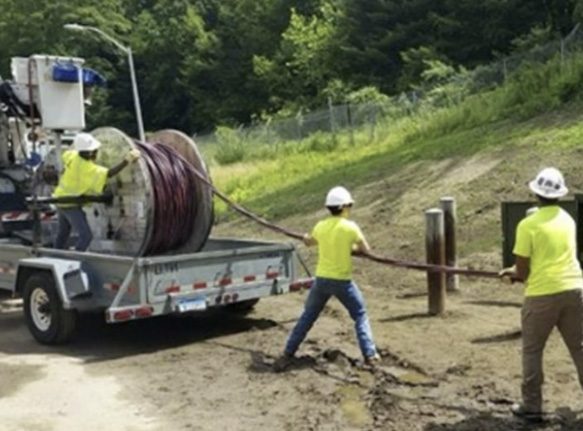
Marcelo Assis, president of United Steelworkers Local 12000, told Connecticut’s gas regulator, the Public Utilities Regulatory Authority (PURA), that the agency needs a clear, predictable approach to capital investment in the state’s natural‑gas system. Assis and his members maintain the pipelines and equipment that deliver energy to homes and businesses across the state, giving them a practical view of how regulatory choices affect daily operations.
Past decisions left work to pile up
Under former PURA leadership, the agency often limited or deferred costs to keep customer bills low. While that provided short‑term relief, it did not eliminate the physical needs of the aging gas infrastructure. Maintenance and replacement projects continued to be required, and workers still had to keep the system operating safely. Deferring those projects simply allowed them to accumulate, making future planning more difficult and increasing the risk that routine needs would become larger, more complex challenges.
New commissioners face inherited challenges
The current PURA commissioners did not make those earlier decisions, but they now have an opportunity to learn from that experience. By establishing a more predictable investment framework, they can give utilities the visibility needed to plan work responsibly, while still protecting ratepayers.
Why predictability matters to workers and communities
Assis emphasized that a reliable gas system requires more than reacting to immediate problems. Utilities must look ahead, identify infrastructure that will need attention, anticipate where additional capacity may be required, and train a skilled workforce to perform the work. Without a steady pipeline of projects, hiring, training and developing the next generation of skilled workers becomes uncertain. Specialized gas‑system work cannot be taught overnight; it needs a consistent flow of jobs to maintain expertise.
When investment is delayed, the infrastructure itself suffers. Aging pipes and equipment do not pause their wear simply because funding is postponed. Projects that could be planned and executed methodically today may become more difficult and costly later, creating larger constraints for customers and for communities seeking growth.
Impact on Connecticut’s economic development
Across Connecticut, towns are looking to add housing, support local businesses and attract new employers. Reliable energy infrastructure is a foundational element of that growth. If parts of the gas system become constrained, it can hinder the connection of new customers, limit business expansion and slow community development. A forward‑looking investment strategy can help address emerging constraints before they become obstacles.
Balancing affordability with accountability
Assis clarified that the lesson from the past is not that regulators should approve every utility proposal. Rather, they should scrutinize spending, demand accountability and ensure customers receive value for what they pay. Scrutiny and predictability can coexist. A strong regulatory system can protect ratepayers while giving utilities the certainty needed to plan essential work, maintain a skilled workforce and support community growth.
The new PURA has the chance to adopt a regulatory approach that protects affordability while providing the consistency needed for a safe, reliable gas system. By doing so, the agency can help Connecticut’s workers, consumers and businesses thrive for years to come.
Original reporting: The Connecticut Mirror — read the source article.