Connecticut’s latest public‑health effort, “Big Work Happens Here,” was unveiled this week with a focus on infant mental health that begins long before a child takes its first breath. The campaign, branded as “Team Baby,” calls on mothers, families, health‑care workers and community members to create a safer, more supportive environment for pregnant people, recognizing that prenatal stress can shape a child’s emotional development for a lifetime.
Why prenatal health matters
Research links sustained stress during pregnancy to lower birth weight and heightened stress reactivity in later life. When a mother feels unsafe, unheard or unsupported, the developing fetus is exposed to physiological stressors that can affect brain development. The initiative stresses that protecting maternal mental health is, in effect, an investment in the next generation’s mental health.
Racial inequities demand attention
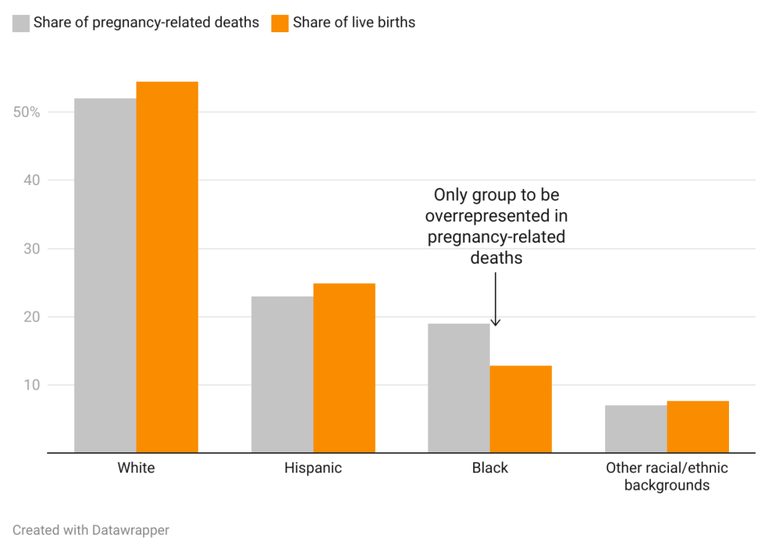
Connecticut, despite its reputation for wealth and quality health care, still grapples with stark racial gaps. The 2026 Connecticut Maternal Mortality Review Committee report shows that Black people accounted for just 13 % of live births but 27 % of pregnancy‑associated deaths. National data reinforce the disparity: Black women with a college degree are 1.6 times more likely to die from pregnancy‑related causes than white women without a high‑school diploma, and among college‑educated women, Black women are 5.2 times more likely to die than their white peers.
More than 80 % of these deaths are deemed preventable, underscoring the urgency of targeted support.
What “Team Baby” looks like in practice
“Team Baby” is not limited to obstetricians and hospitals. It includes nurses, doulas, behavioral‑health professionals, family members, grandparents, childcare providers, friends and neighbors. Simple actions—listening attentively, recognizing signs of struggle, connecting a mother with resources before a crisis—can make a profound difference.
Key recommendations for expectant mothers include:
- Know the warning signs of maternal complications.
- Choose providers who listen and take concerns seriously.
- Ask questions and participate actively in birth‑plan decisions.
- Speak up when something feels wrong and ensure those concerns are heard.
Community role and next steps
The campaign urges every resident to view themselves as part of the support network. Whether you are a neighbor offering a meal, a friend checking in, or a local business sponsoring prenatal classes, your involvement helps build a healthier generation.
Daileann Hemmings, System Director of Maternal Health Equity at Hartford HealthCare, emphasized that “knowledge should empower, not paralyze.” By sharing the stark statistics and offering concrete ways to help, the initiative hopes to reduce preventable deaths and improve mental‑health outcomes for children across the state.
Looking ahead
“Team Baby” will roll out educational workshops, expand access to doula services and strengthen referral pathways to mental‑health resources. The ultimate goal is a Connecticut where every pregnant person feels safe, supported and heard—laying a solid foundation for the mental health of the next generation.
Original reporting: The Connecticut Mirror — read the source article.