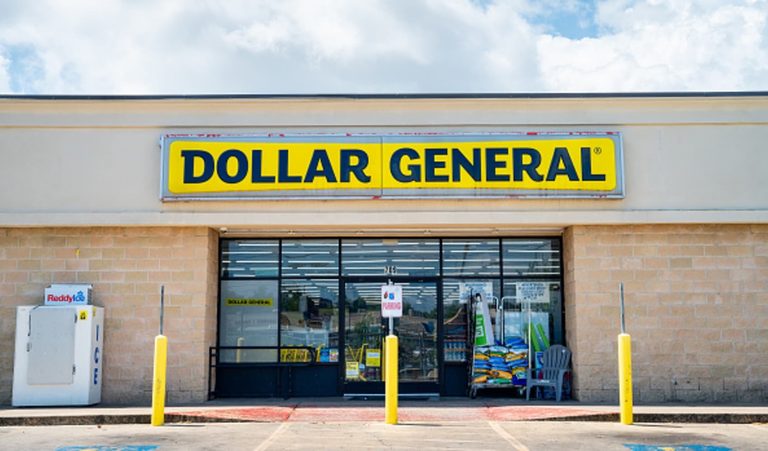
The Federal Trade Commission filed a lawsuit this week accusing discount retailer Dollar General of a “long‑running deceptive pricing practice” that inflates the cost to shoppers at the register. Twenty states, among them Connecticut, have joined the complaint filed in the U.S. District Court for the Middle District of Tennessee.
State participation highlights consumer‑protection focus
Connecticut’s involvement underscores the state’s commitment to protecting families who are already stretching their paychecks. “Dollar General has betrayed the trust of millions of American consumers and imposed significant financial harm on communities and consumers who are already struggling to make their paychecks last,” said Christopher Mufarrige, director of the FTC’s Bureau of Consumer Protection.
Alleged causes: understaffing and corporate knowledge
The FTC alleges that Dollar General’s policies require register prices to match shelf prices, but thin staffing leaves many stores unable to enforce the rule. Internal communications cited by the agency show executives were aware of the issue. One former assistant manager in Illinois told the company’s CEO that she often worked alone, saying, “You’re lucky if you get to work two to four hours of your eight‑to‑13‑hour shift with another human being.”
Company response
Dollar General, headquartered in Goodlettsville, Tennessee, denied the accusations. In a statement posted on its website, the retailer said the lawsuit suggests it has “abandoned our mission and willfully disregarded the affordability needs of our customers. Nothing could be further from the truth.” The company added, “Our goal is 100% accuracy between shelf and register prices in every store. As with other retailers and despite our policies and procedures, occasional price discrepancies can occur. When that happens, our store teams are instructed, empowered, and expected to make things right for the customer. In recent years, we have enhanced our price‑accuracy processes and remain committed to continuous improvement.”
Examples of alleged overcharges
The 95‑page complaint includes dozens of specific incidents. In Texas, a customer reported that an employee told him, “I have to overcharge you or I will get in trouble!!!!” In November 2025, a Florida shopper was charged $2.50 for a bottle of Johnson & Johnson baby shampoo that was advertised for $2.00, and the employee offered the higher price as the only option.
States joining the suit
Along with Connecticut, the lawsuit is supported by Alabama, Arizona, Arkansas, California, Florida, Illinois, Iowa, Kansas, Louisiana, Michigan, Mississippi, Nebraska, New Jersey, North Carolina, Ohio, Oklahoma, Tennessee, Utah and Wisconsin.
The FTC says the lawsuit seeks injunctive relief and civil penalties to protect consumers and ensure retailers honor advertised prices. The outcome could affect the 21,000 Dollar General stores nationwide, many of which serve low‑income neighborhoods.
Original reporting: NBC Connecticut — read the source article.